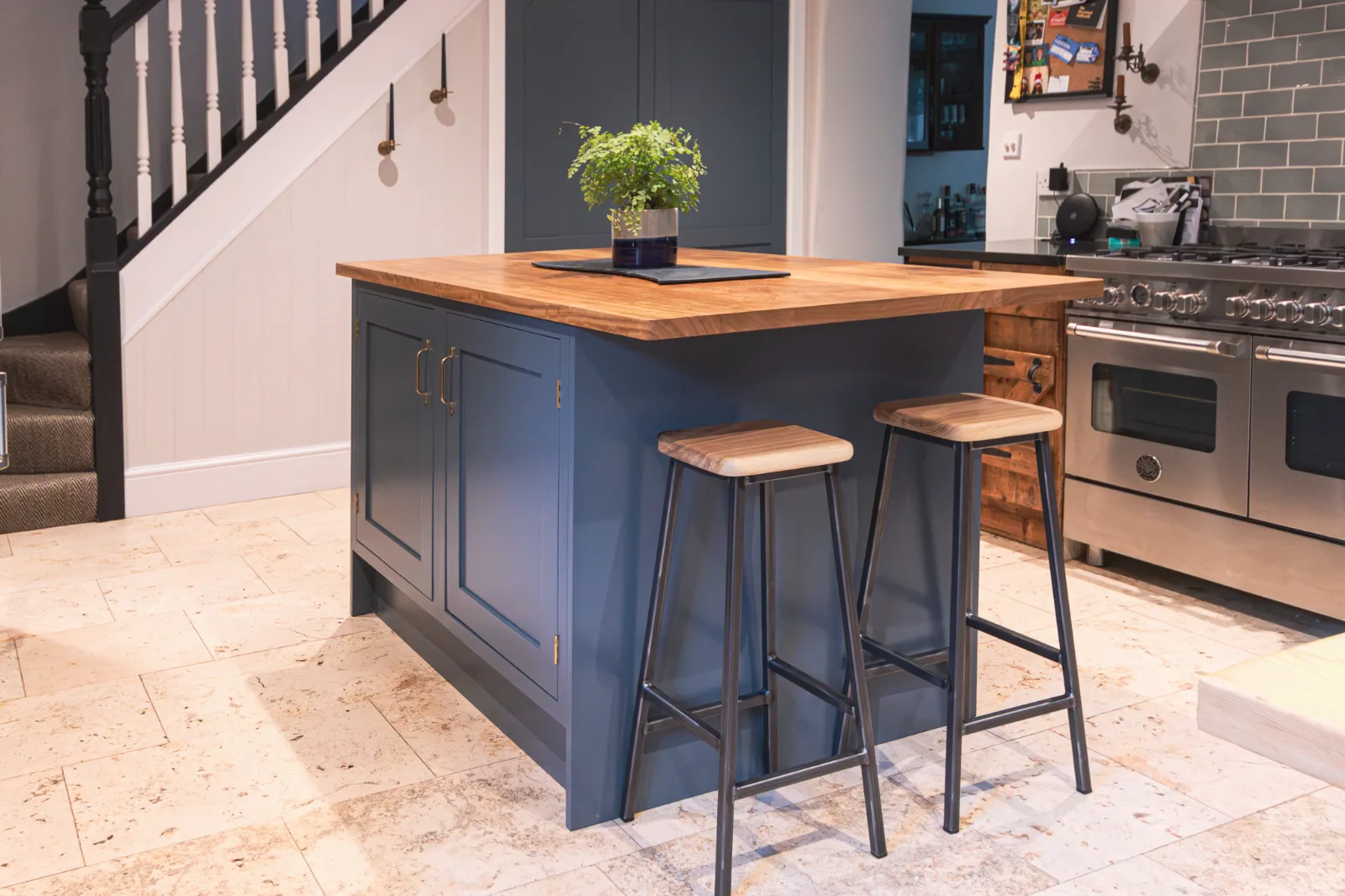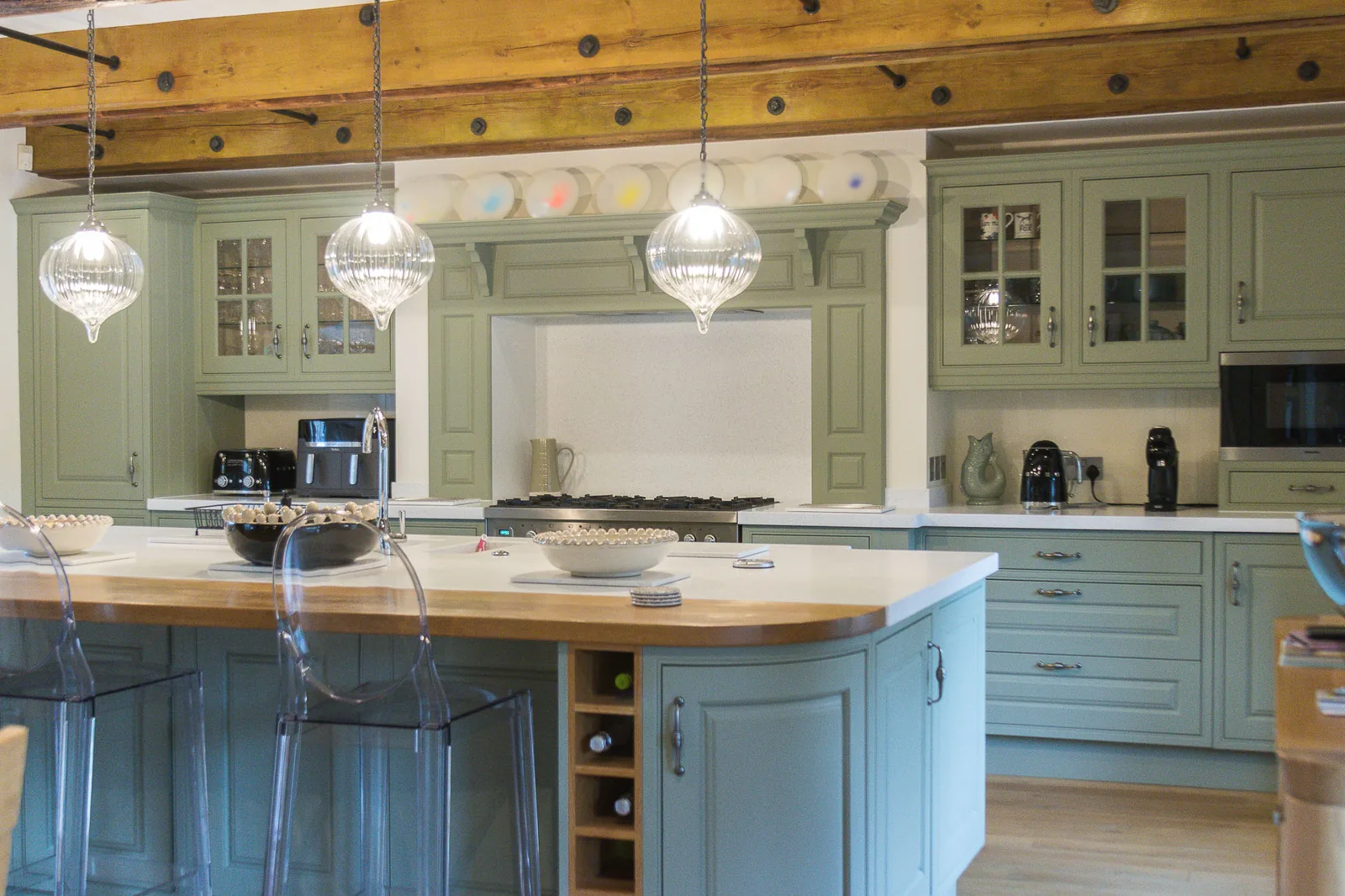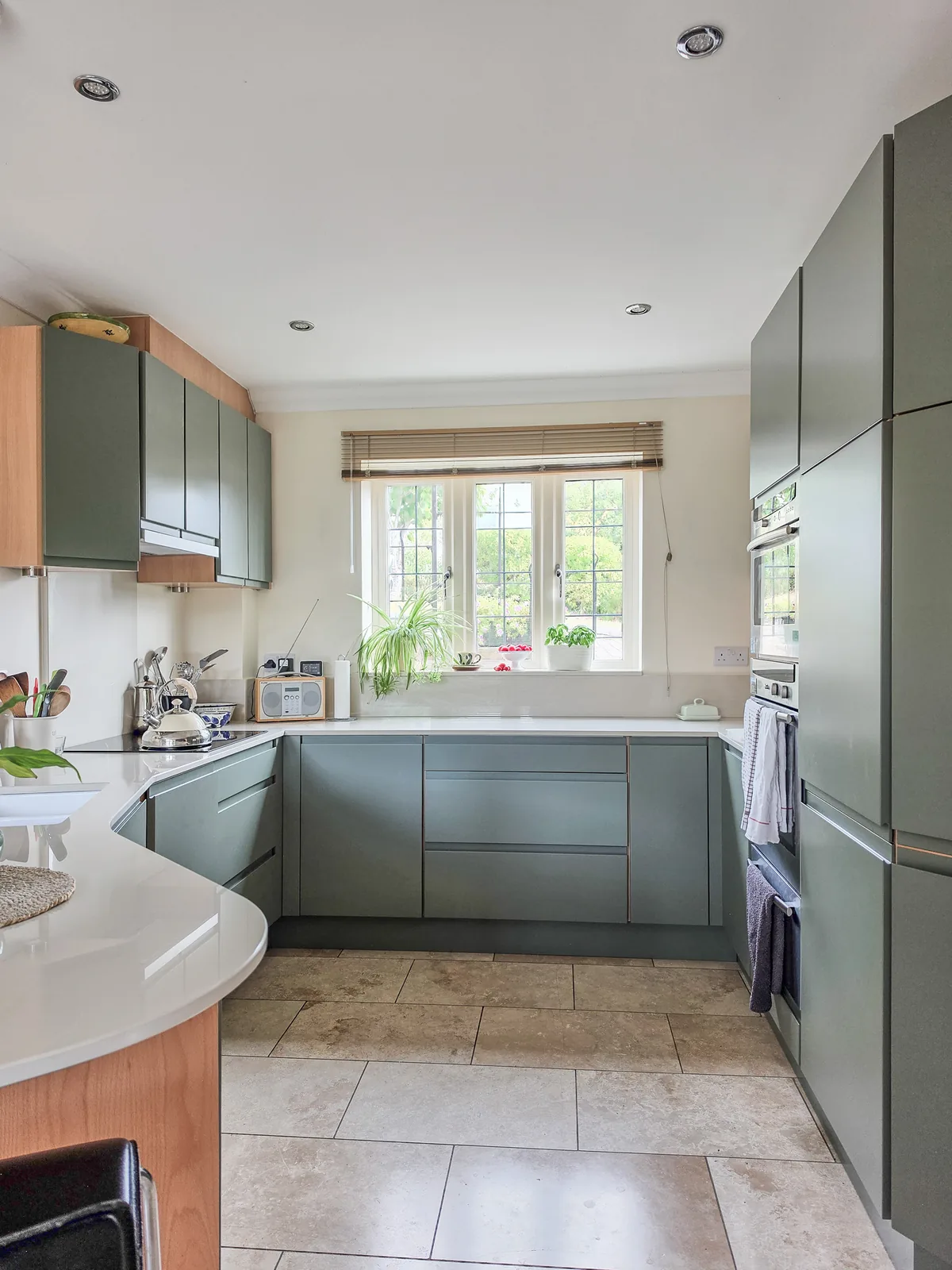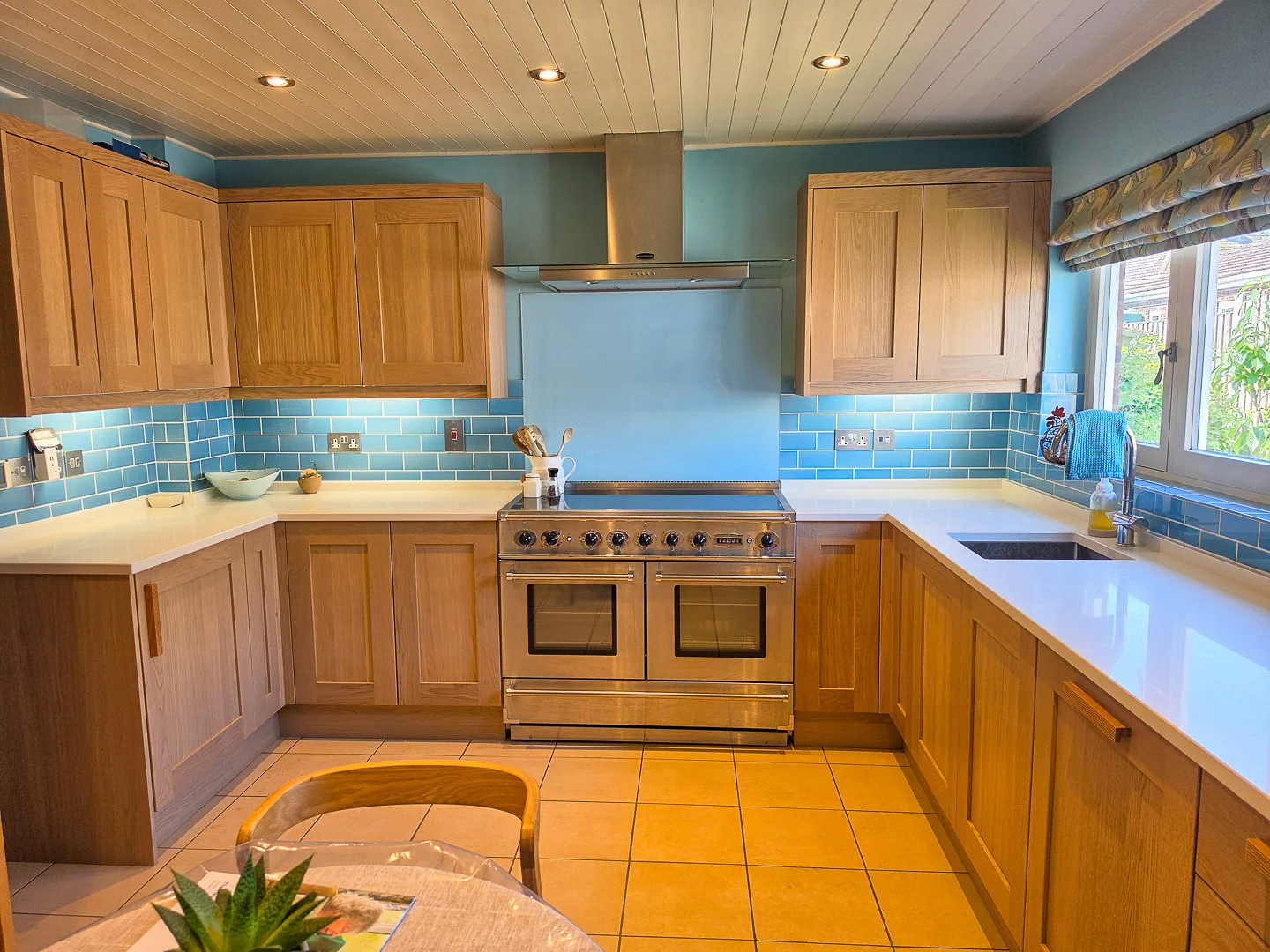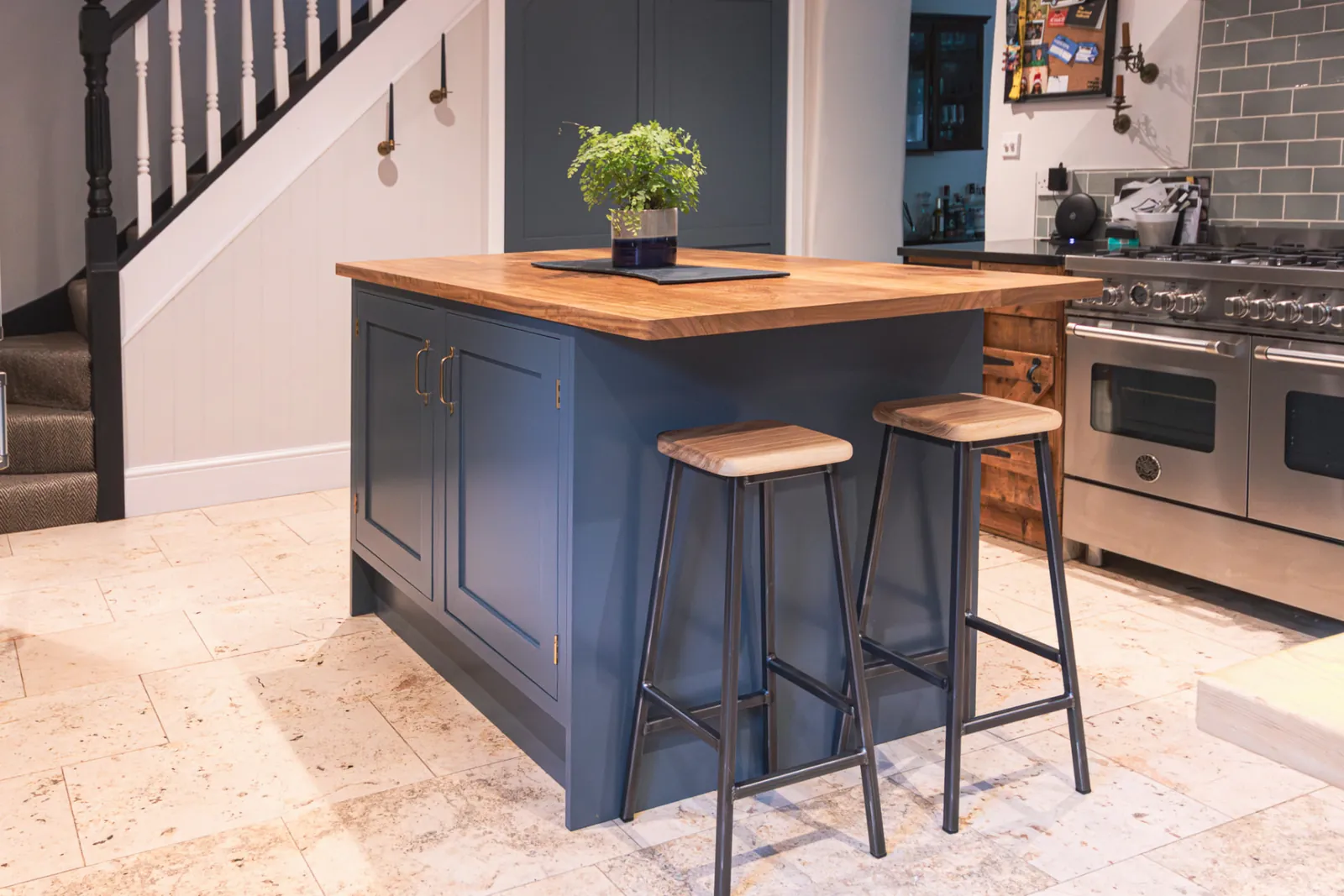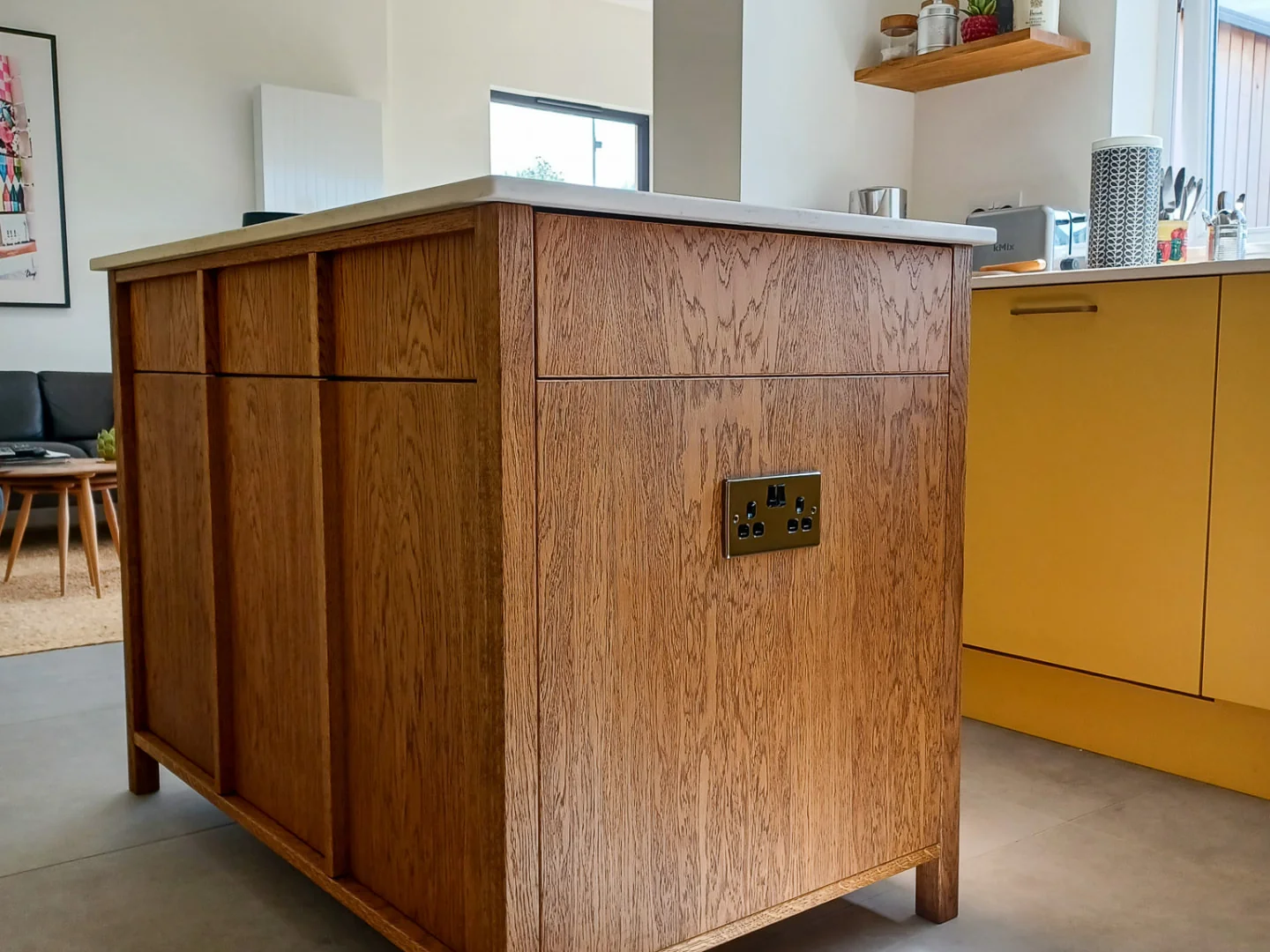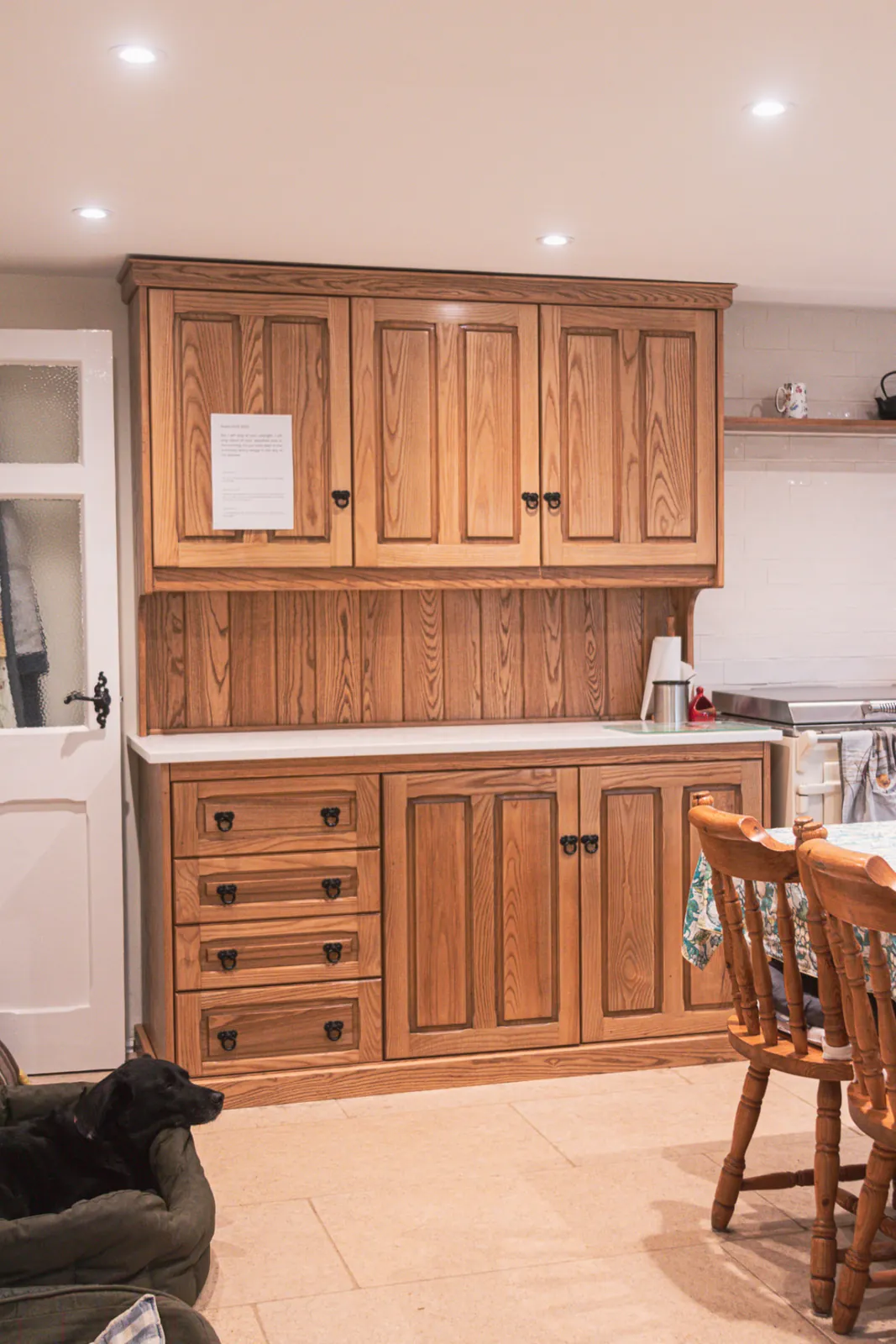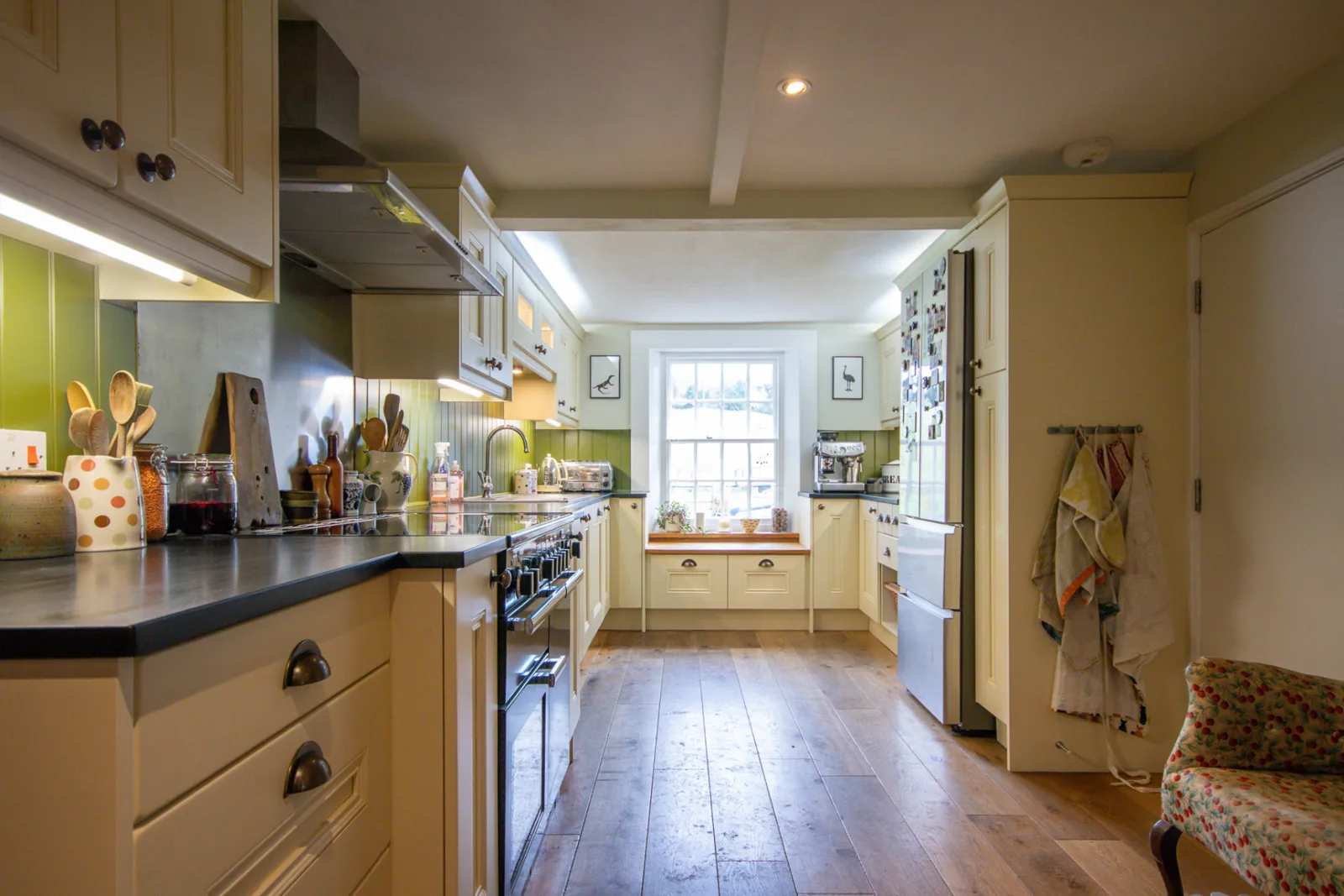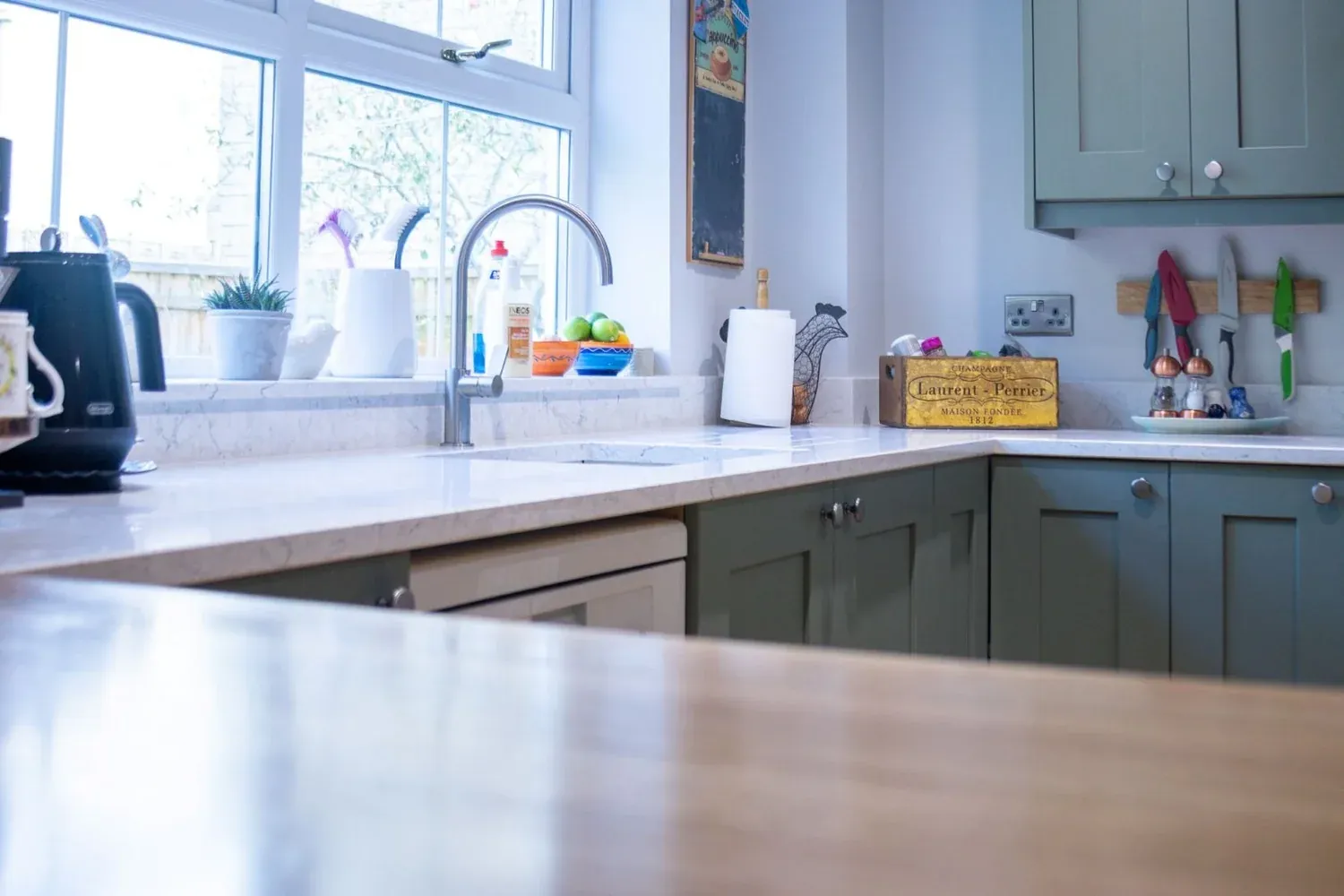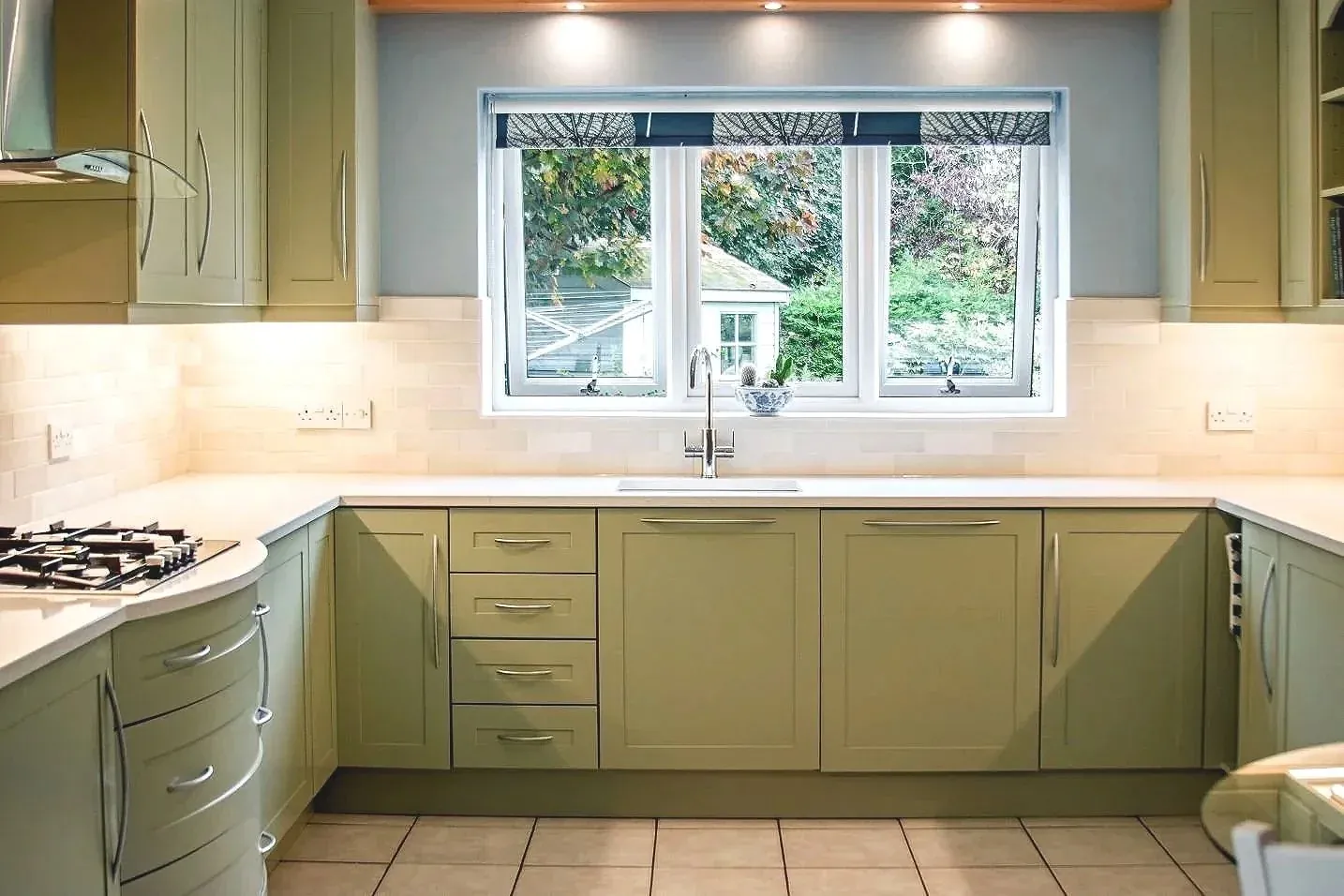
A kitchen usually feels outdated because of four things: worn doors, dated handles, tired worktops and poor lighting. Change those and the room feels new without a full replacement, which is how most of the refreshes I fit around Wiltshire begin.
1. Common Signs Your Kitchen Needs an Update
If you’re wondering whether your kitchen is past its prime, look for these common indicators:
Faded or chipped cabinet paint, Outdated hardware and fixtures, Cluttered work surfaces due to insufficient storage, Old or damaged worktops, Poor lighting that makes the space feel dull and A style that no longer fits your taste.
Recognising these signs is the first step toward making meaningful improvements.
2. Simple Assessment: What’s Functional vs. What’s Frustrating?
Before diving into updates, evaluate your kitchen’s functionality. Ask yourself:
Which elements work well, and which ones cause daily frustration?, Do you have enough storage, or do you struggle with clutter? and Is the layout efficient for cooking and movement?.
This simple assessment helps pinpoint areas that need attention while ensuring you invest in changes that will enhance daily use.
3. Prioritising Updates Based on Your Family's Needs
Once you've identified what needs improvement, prioritise updates that will make the biggest impact. Consider:
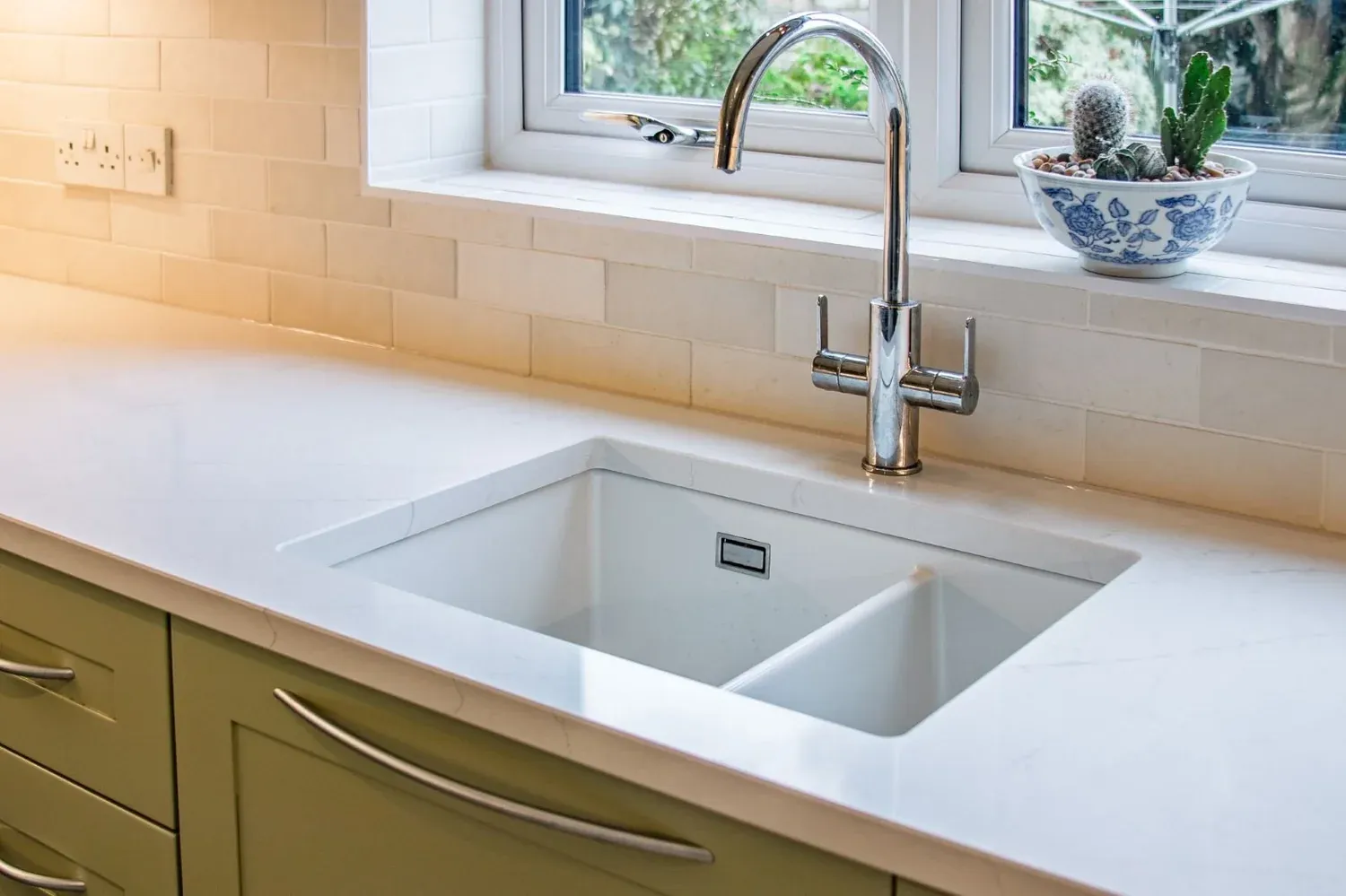
Cabinet Makeover: Fresh paint or new doors can work wonders, Worktop Replacement: Upgrading to solid surface worktops improves durability and aesthetics, Lighting Enhancements: Adding under-cabinet lighting or modern fixtures can brighten the space and New Hardware: Swapping outdated handles and hinges instantly elevates your kitchen's look.
By focusing on strategic updates, you can create a refreshed and functional kitchen without the need for a complete replacement kitchen.
If your kitchen feels tired but the cabinets are sound, a free Home Design Visit will show what a refresh could do.
See how a kitchen refresh works