A dresser is the piece people remember in a kitchen. It holds china, glass and the everyday clutter that has nowhere else to live, and because it stands taller than the worktops it sets the character of the room.
The words get used loosely, so it is worth being clear about the difference before you decide which one your kitchen wants.
What is a Welsh dresser?
A traditional Welsh dresser is a base of cupboards and drawers with an open shelved rack above, made to display plates on edge. It is usually freestanding, often in oak or painted softwood, and the proportions are unmistakably period.
It suits cottages, farmhouses and older Wiltshire houses with generous ceiling heights. Because the top is open, it looks best when it is used: plates, jugs and a few things you like looking at.
What is a modern kitchen dresser?
A kitchen dresser keeps the same idea, a tall storage piece with a working surface part way up, but the top half is usually enclosed with glazed or panelled doors. Dust stays out, lighting can be built in, and the piece reads calmer.
This is what most clients ask for now, and it can be fitted into a run of cabinetry or left freestanding as a furniture piece.
Can a dresser match an existing kitchen?
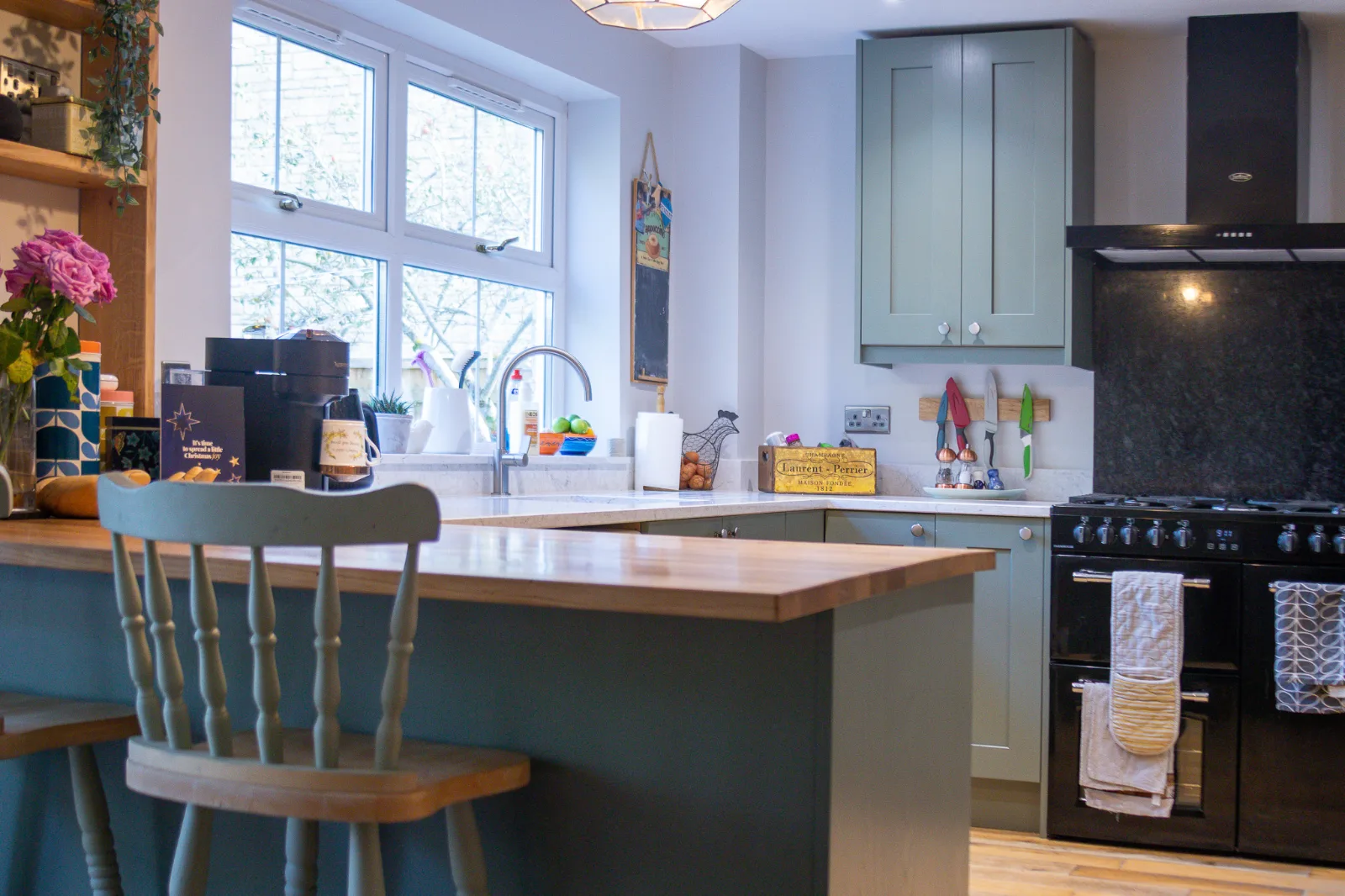
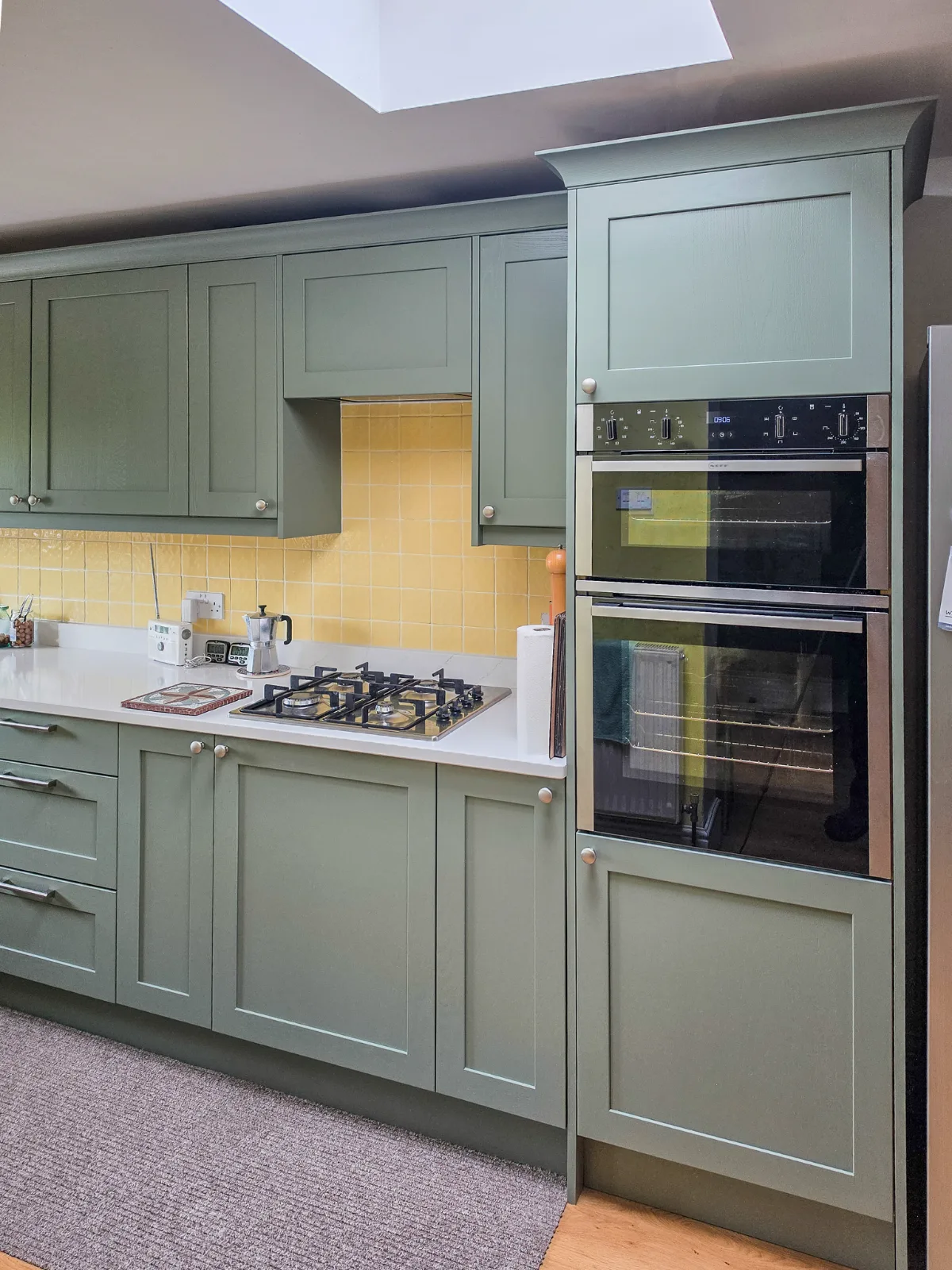
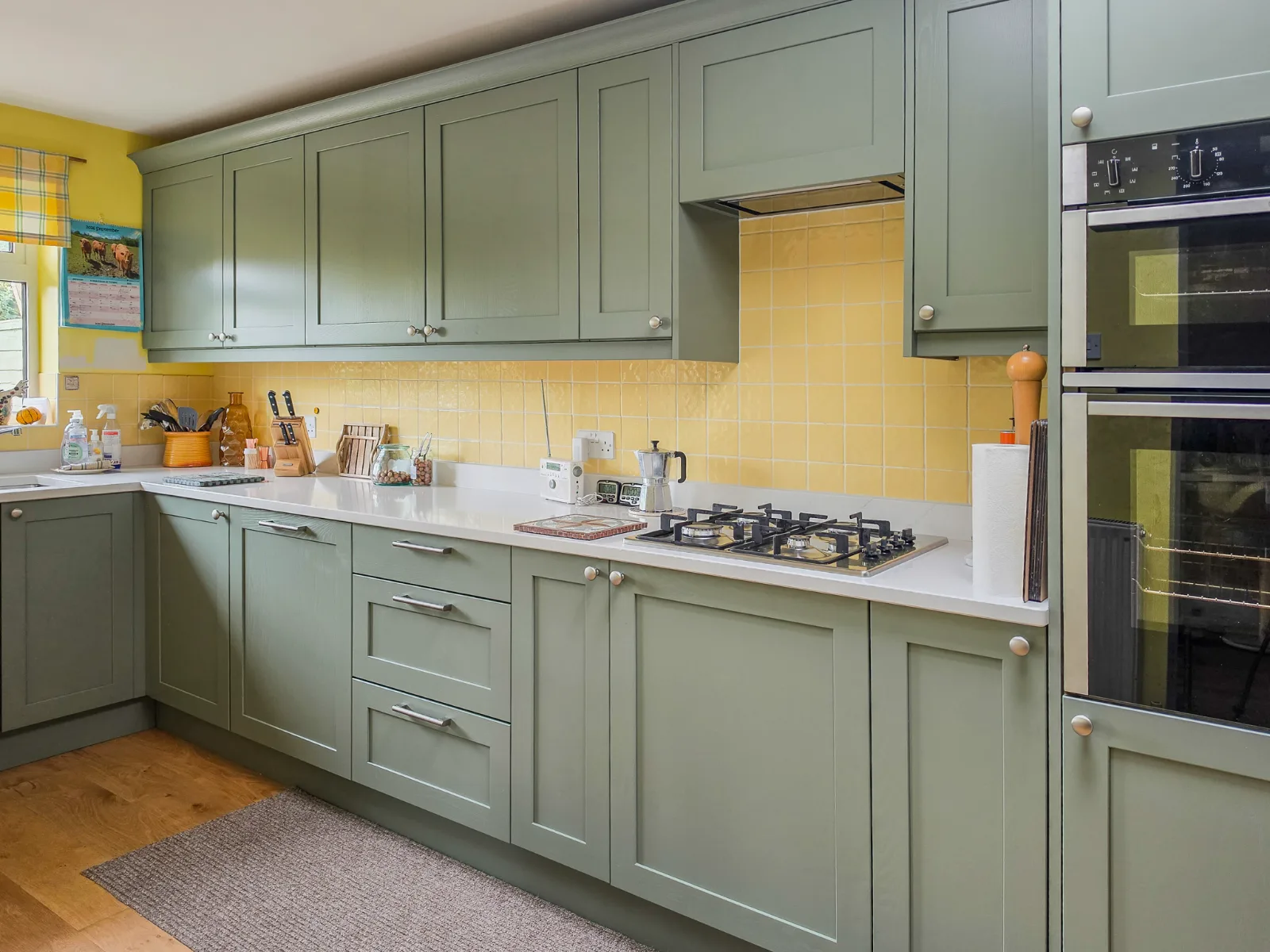
The most common request I get is a dresser to match a kitchen that is already in place. That means taking the door profile, the paint colour, the mouldings and the handles from your existing units and repeating them exactly.
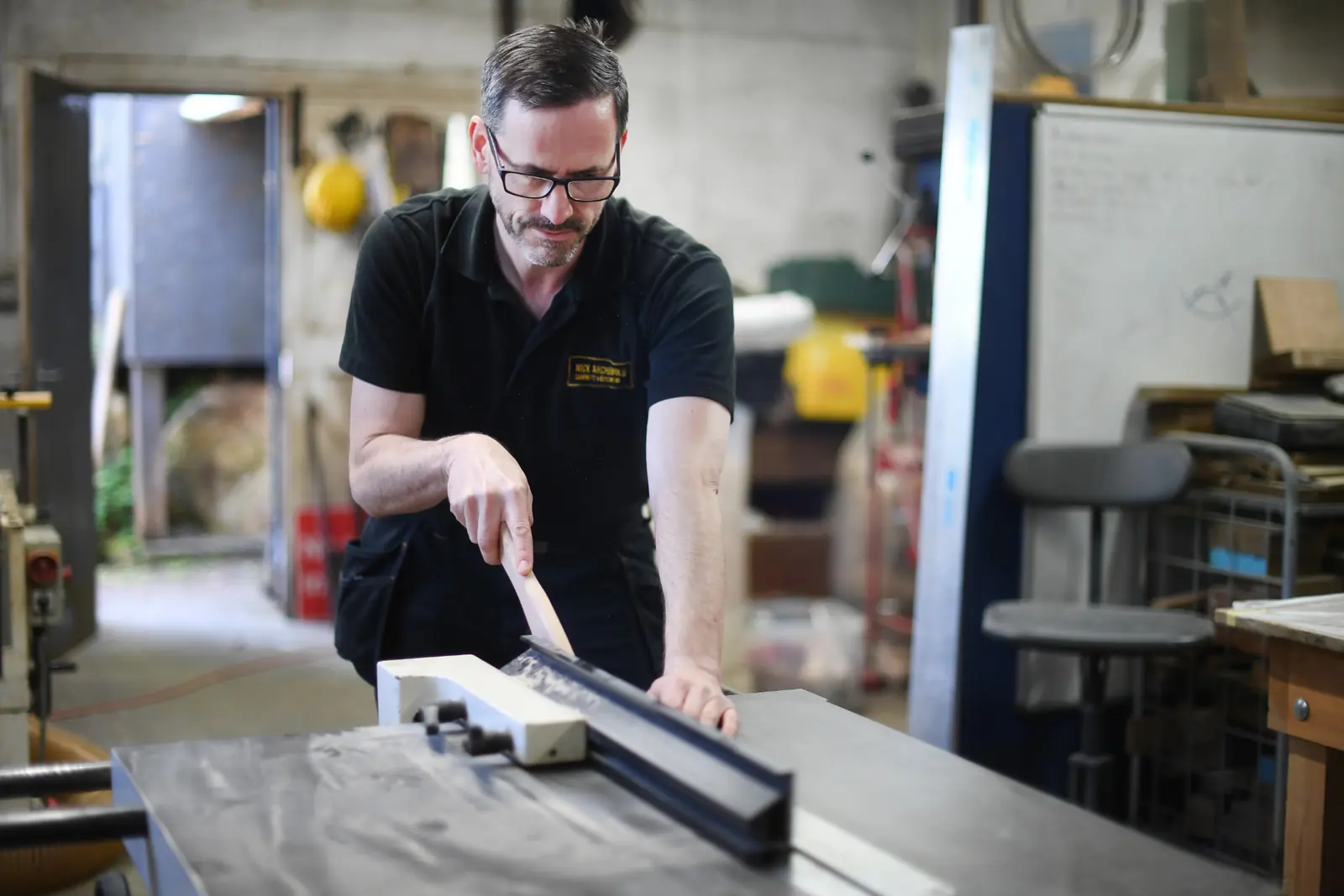
If your kitchen was painted in a bespoke colour, keep the tin or note the code. With that I can match the finish in the workshop so the new piece looks original rather than added.
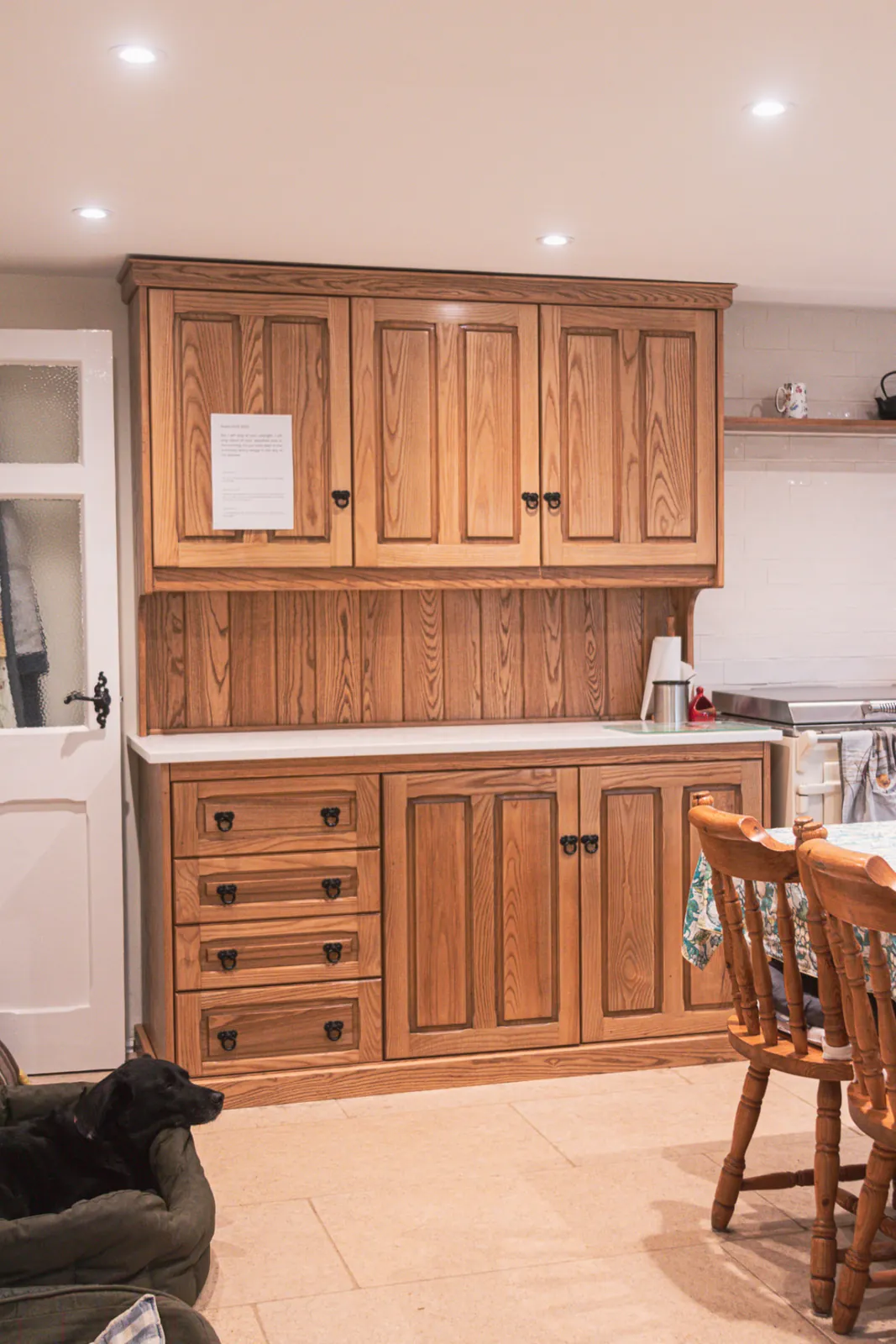
Should a dresser be fitted or freestanding?
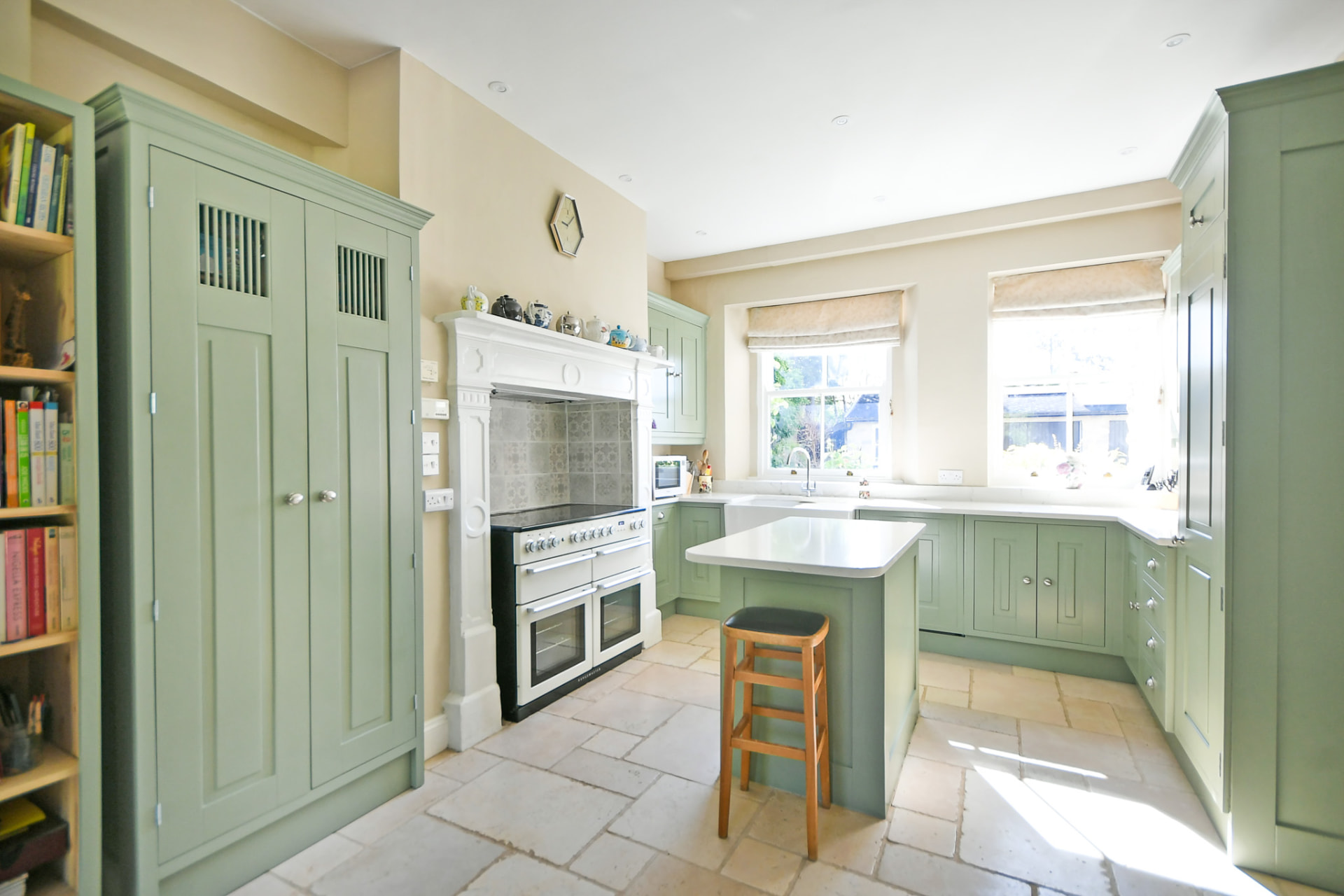
Fitted dressers scribe tightly to walls and ceilings and make the most of an awkward chimney breast or alcove wall. Freestanding dressers can move with you and sit well in a dining room as easily as a kitchen.
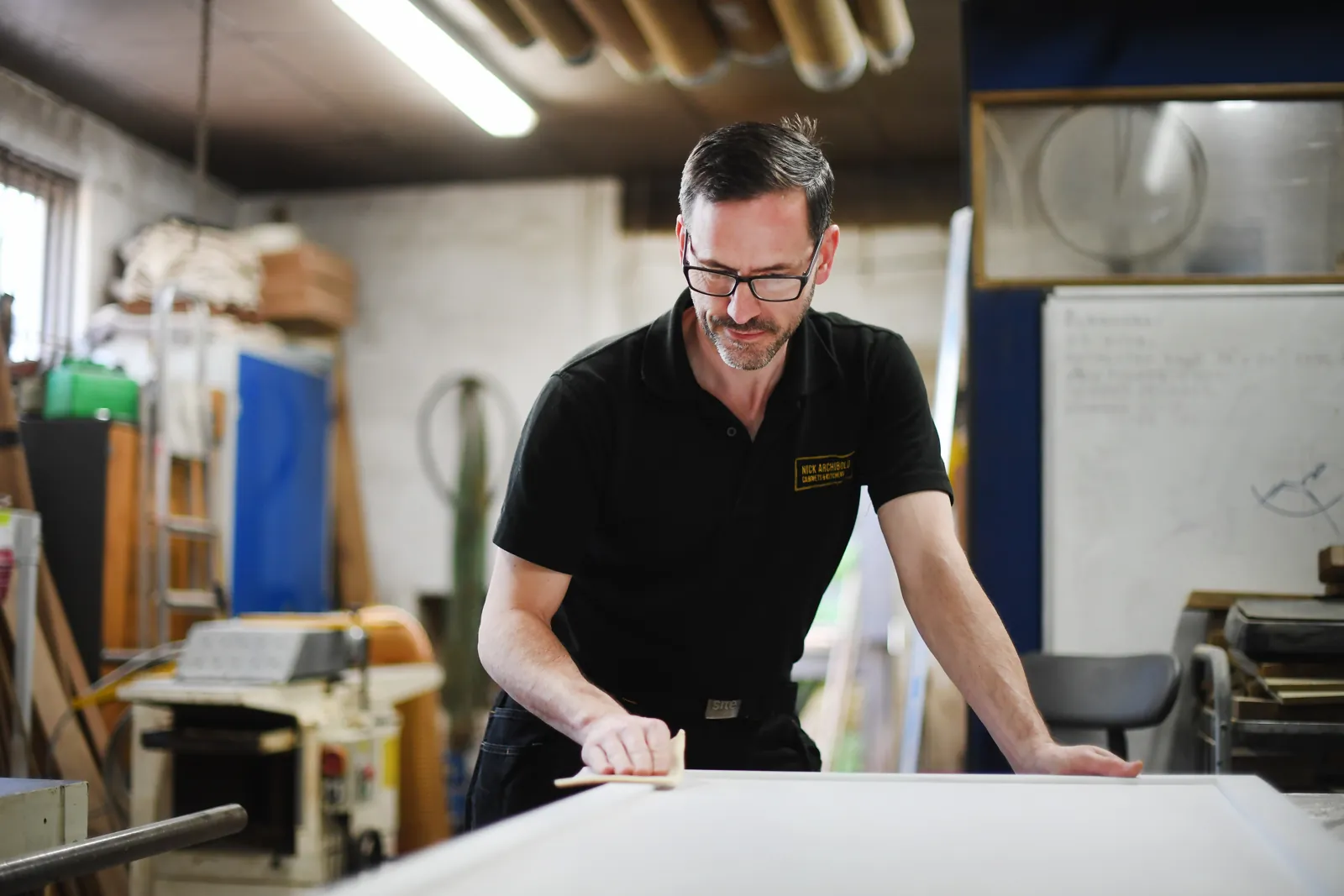
Old walls are rarely straight or plumb, which is why I measure in person before building and handle installation myself, so the scribing and final adjustments are done properly.
Which materials, glazing and lighting work best?
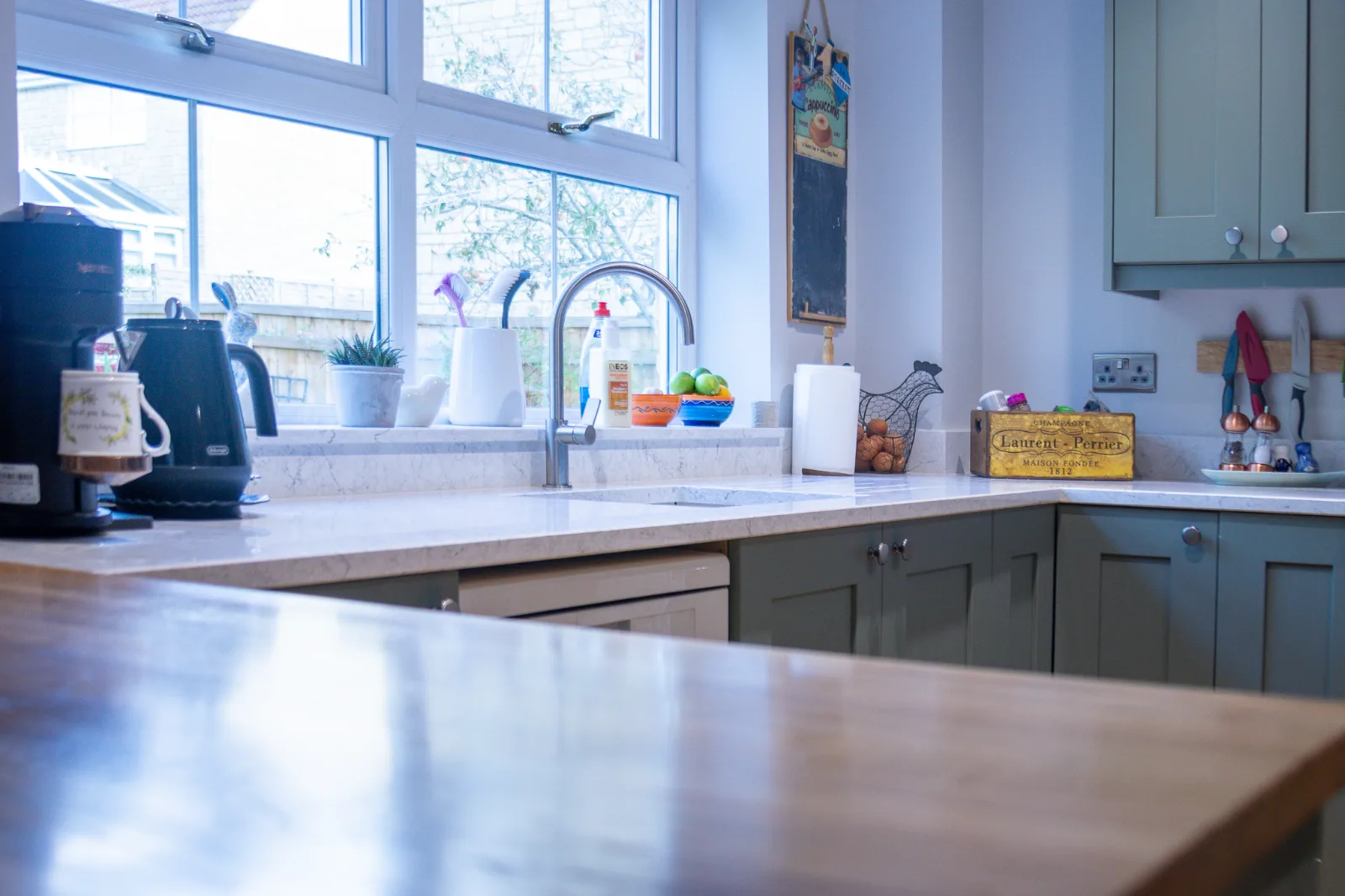
Solid oak shows the timber and needs no repainting. Tulipwood is the better base for hand-painted work because it takes a fine, hard finish. Worktop surfaces can be timber or stone, chosen to sit well with what is already in the room.
Glazed upper doors with internal lighting turn a dresser into a display piece in the evening. Solid brass hinges and cup handles are worth the extra: they still feel right after a decade of use.
What does a dresser cost?
Workshop-built dressers generally run from around £3,000 to £4,500 or more. Size, glazing, lighting and whether the piece is painted or built in solid oak decide where it lands.
Display, pantry and media cabinets built the same way start at around £2,500 and run to £6,000 or more for a full larder or a long run with fitted interiors. You will have a written figure before anything is ordered.
Prices checked October 2026.
Where can you see real pieces first?
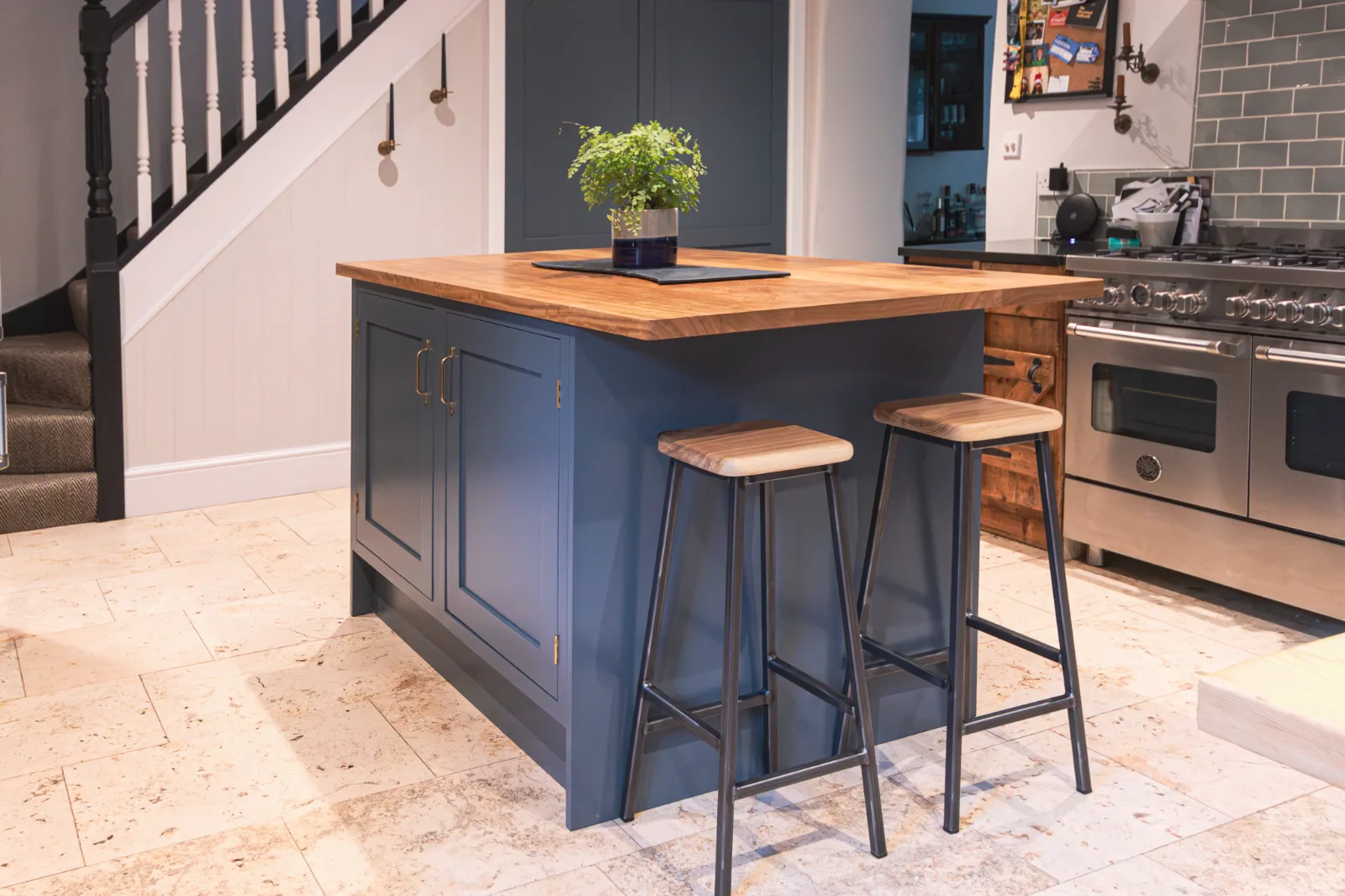
Photographs of oak and hand-painted dressers built in my Wiltshire workshop are on the bespoke islands and dressers page, along with islands and display cabinets from the same projects.
When you are ready, book a free Home Design Visit. I will measure up, talk through proportions in the actual room, and tell you what is possible and what it would cost.
If this sounds like your kitchen, request your free Home Design Visit.