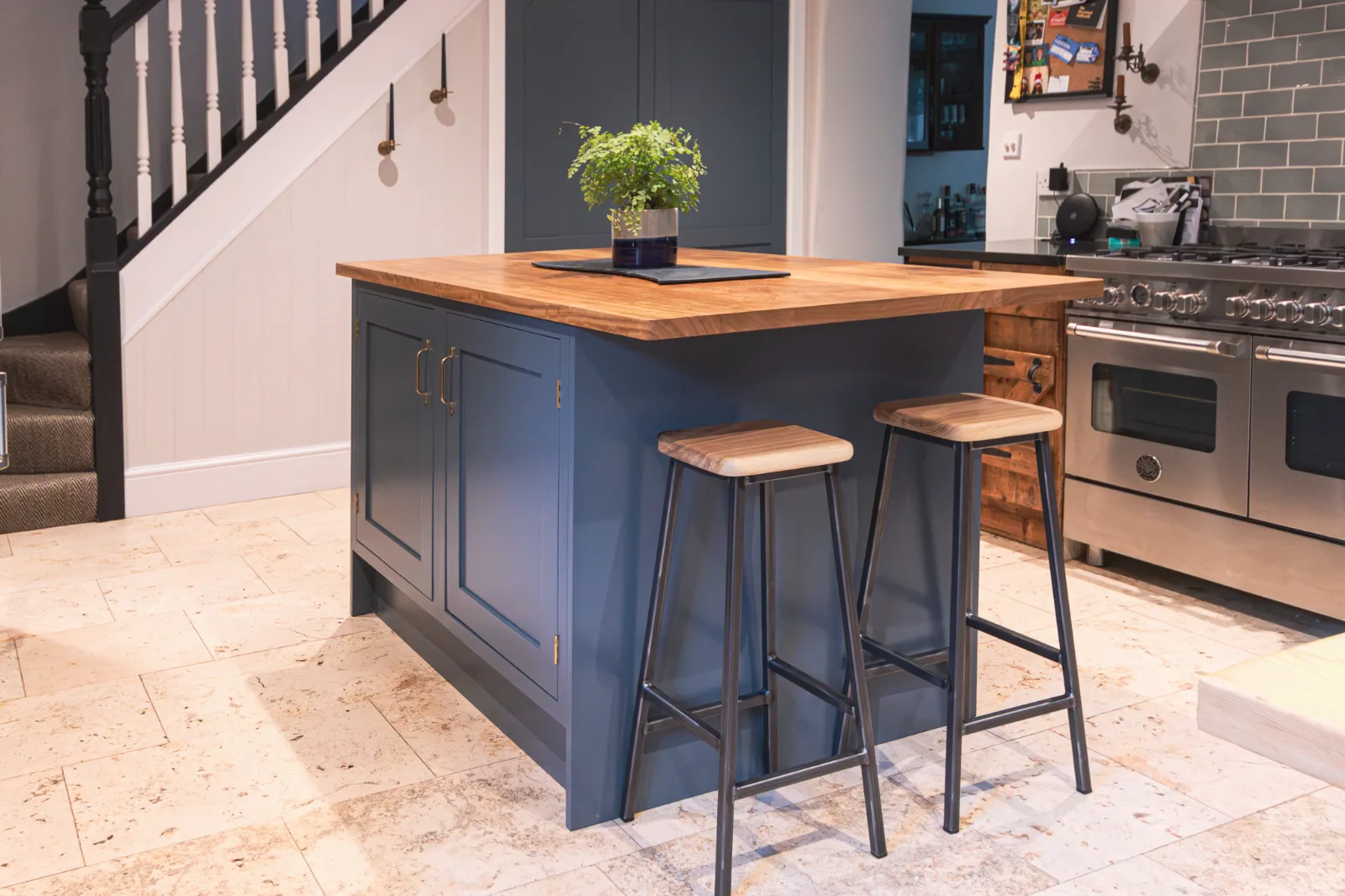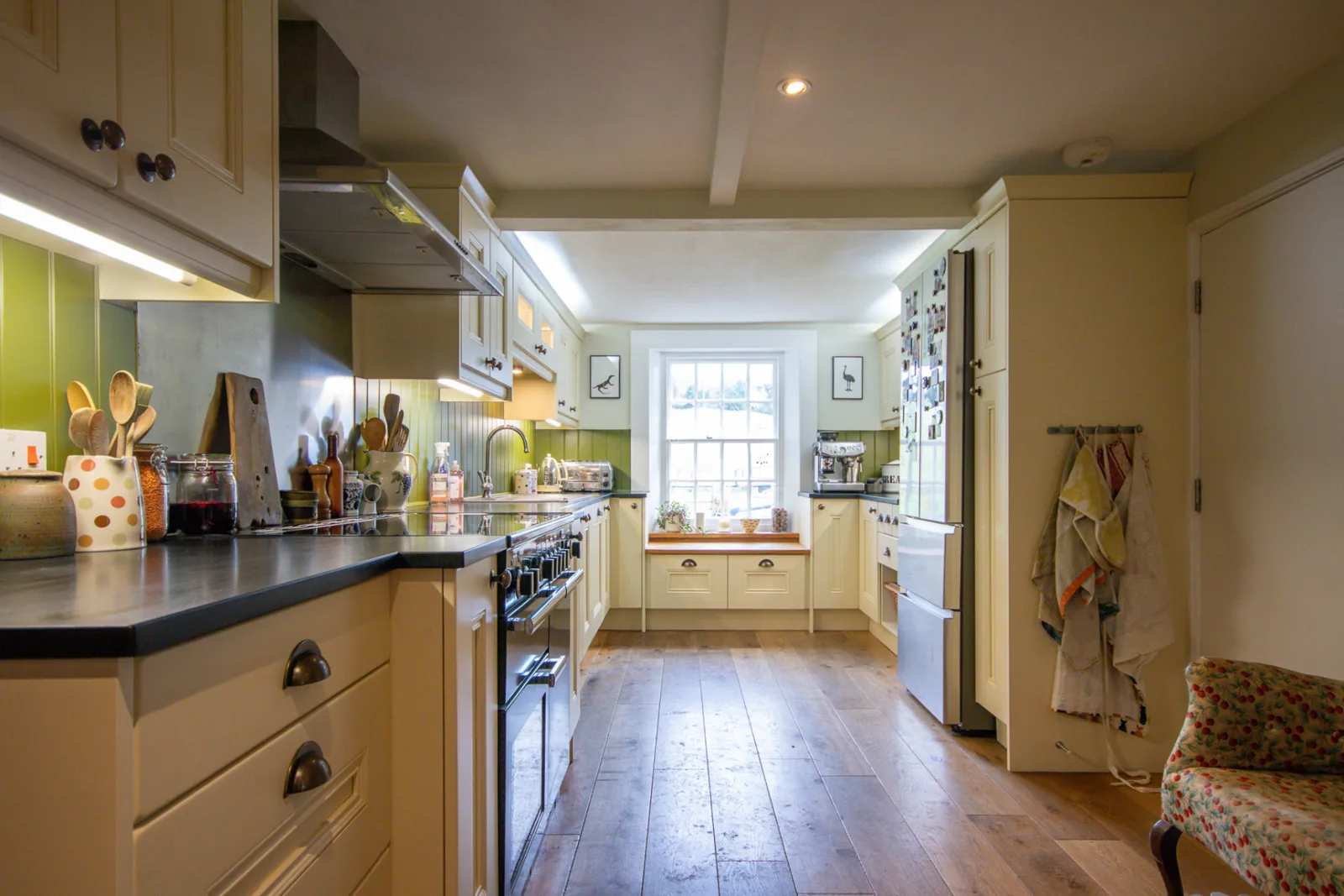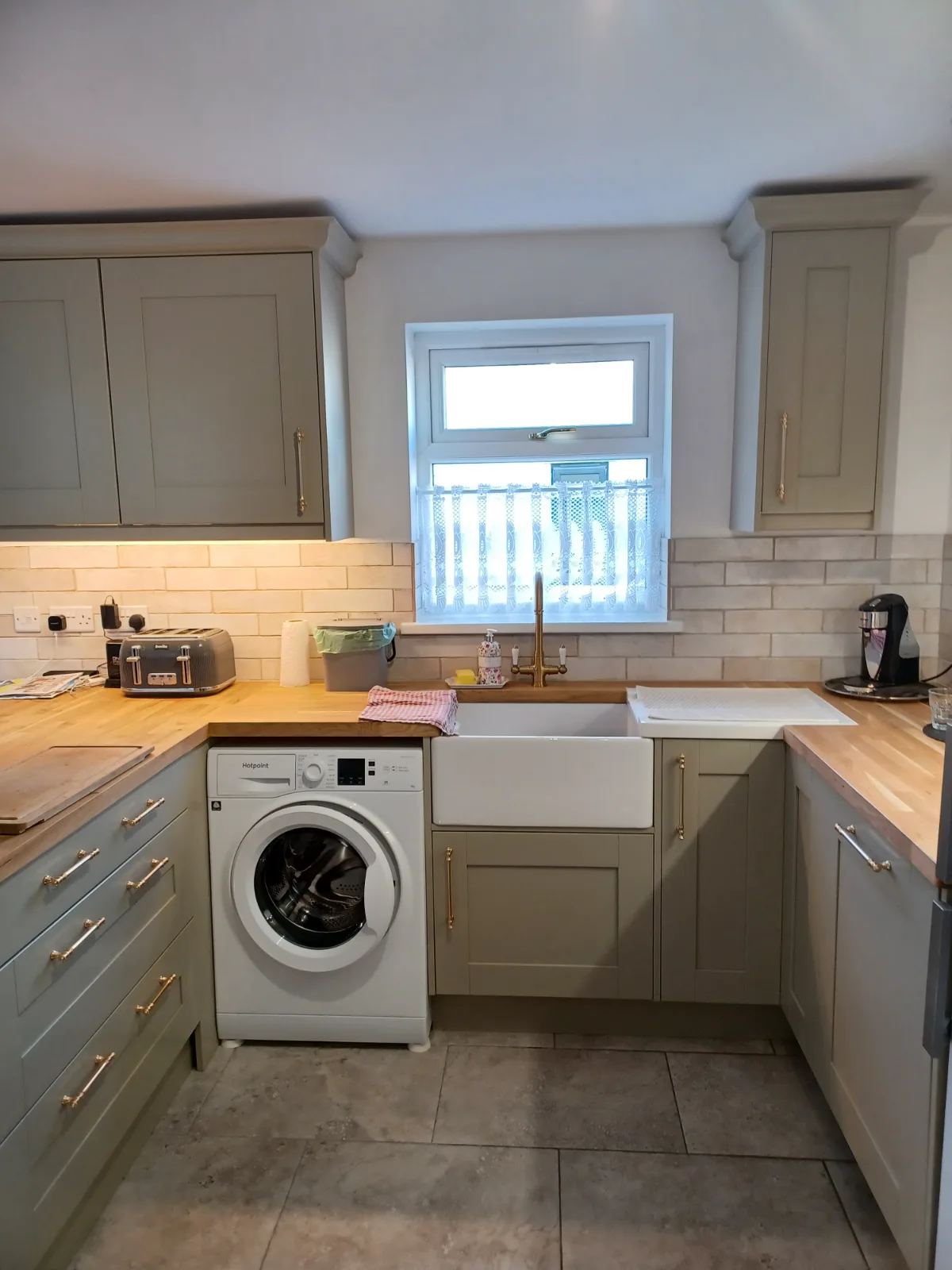
Solid oak worktops will undergo natural changes in their first two years, including slight movement, colour mellowing, and the need for regular oiling. Expect to oil them more frequently initially, especially around sinks, to protect against water ingress and maintain their appearance.
These are living surfaces that gain character over time, and with proper care, they offer lasting warmth and beauty to any kitchen.
What is Solid Oak Worktop Movement?
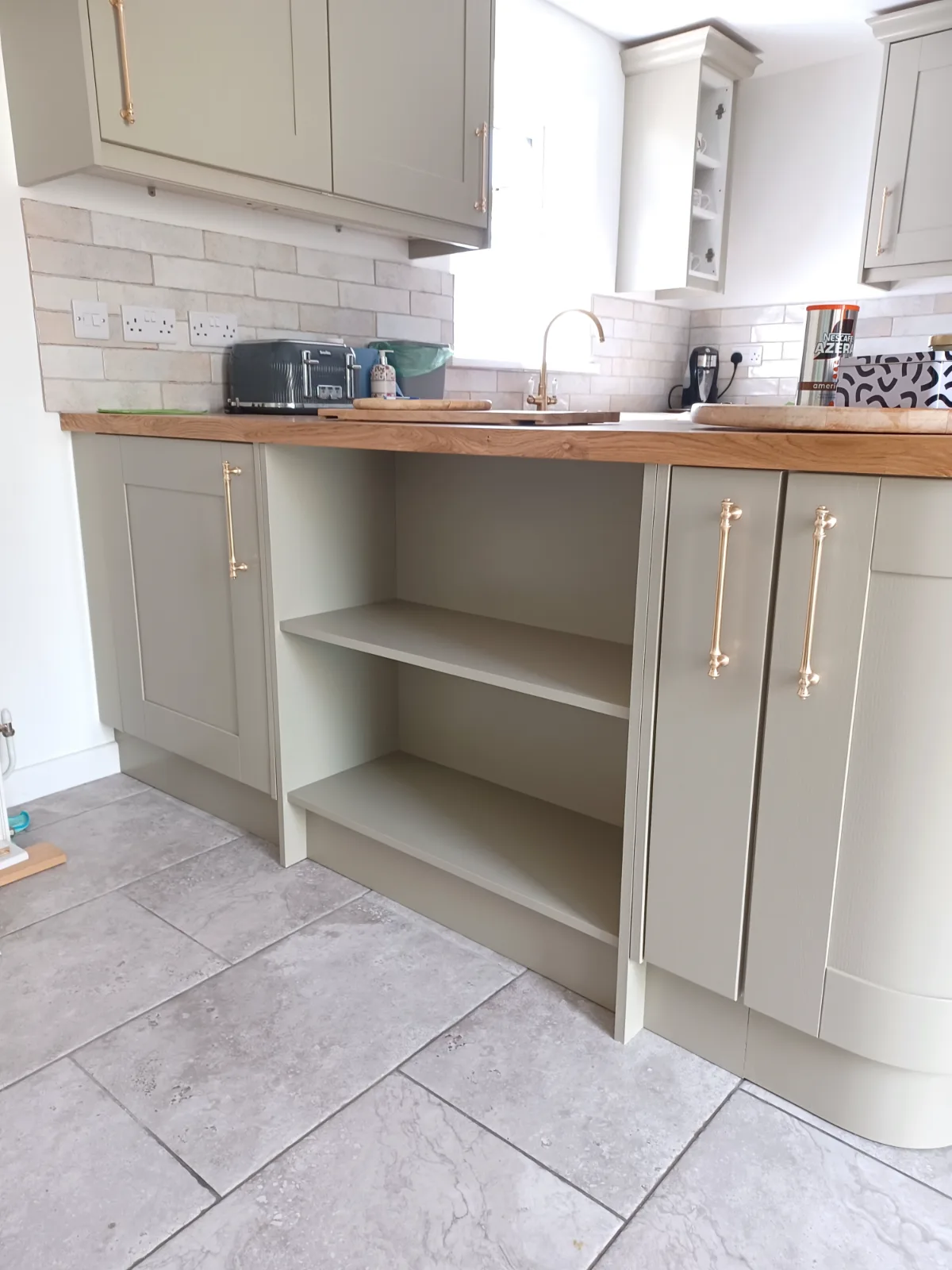
Solid oak is a natural material that will expand and contract slightly with changes in temperature and humidity in your kitchen. This 'movement' is completely normal and is usually accommodated during installation by leaving small gaps, often hidden by silicone or beading.
Over the first few months, you might notice very minor shifts, but these will stabilise as the oak acclimatises to its new environment. This inherent characteristic is part of the charm of natural timber, showing it is a genuine, living material.
How Often Should I Oil Solid Oak Worktops?
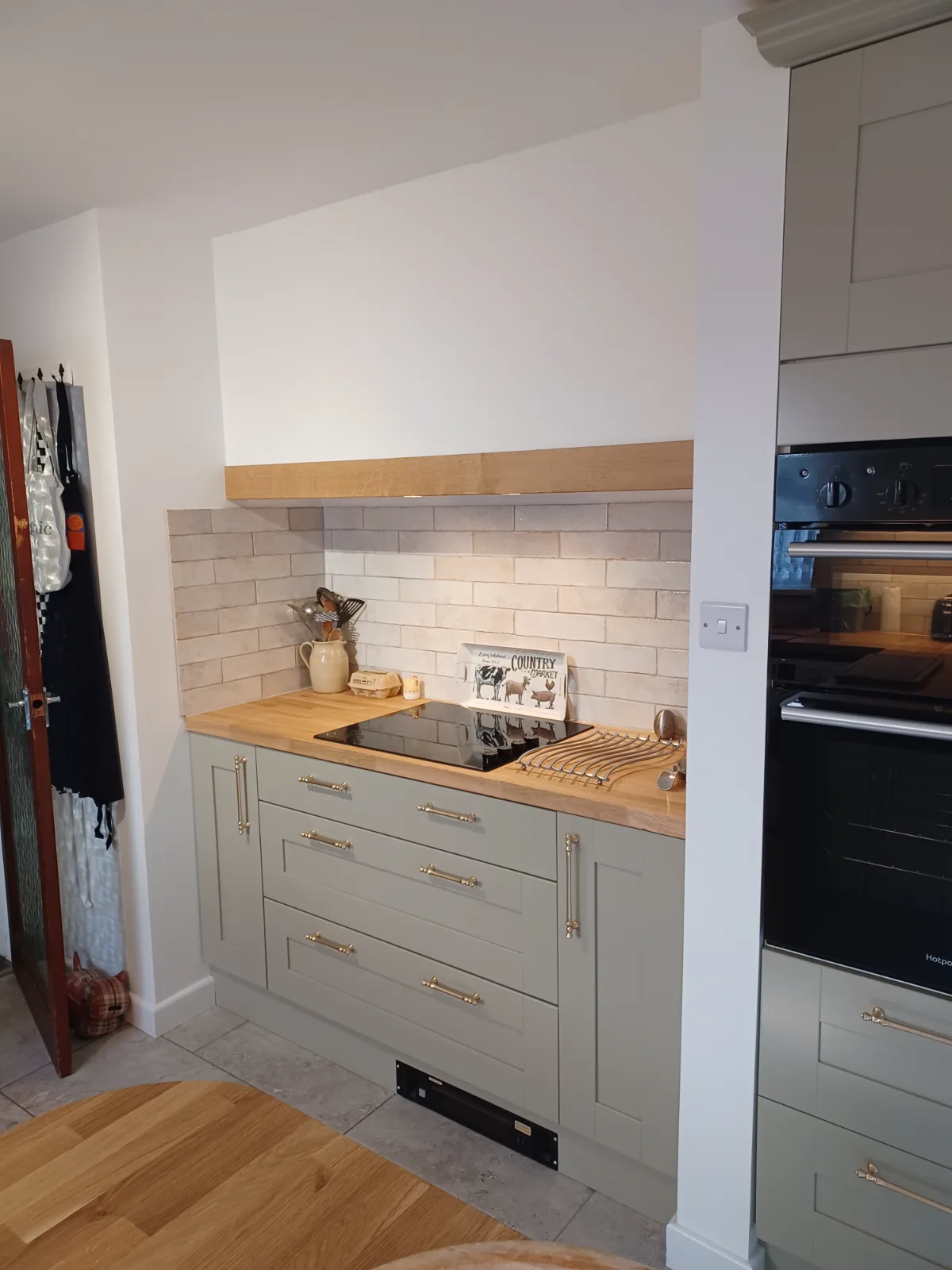
Initially, your new solid oak worktops will need oiling more frequently than established ones. I recommend a generous application every two to four weeks for the first three to six months. This intensive initial period builds up robust protection.
After this, a thorough re-oiling every three to six months should be sufficient to keep the worktops nourished and water-resistant. Areas around sinks, where water exposure is highest, may benefit from a light re-oiling more often to prevent water penetration and discolouration.
Sinks and Solid Oak Worktops Protection
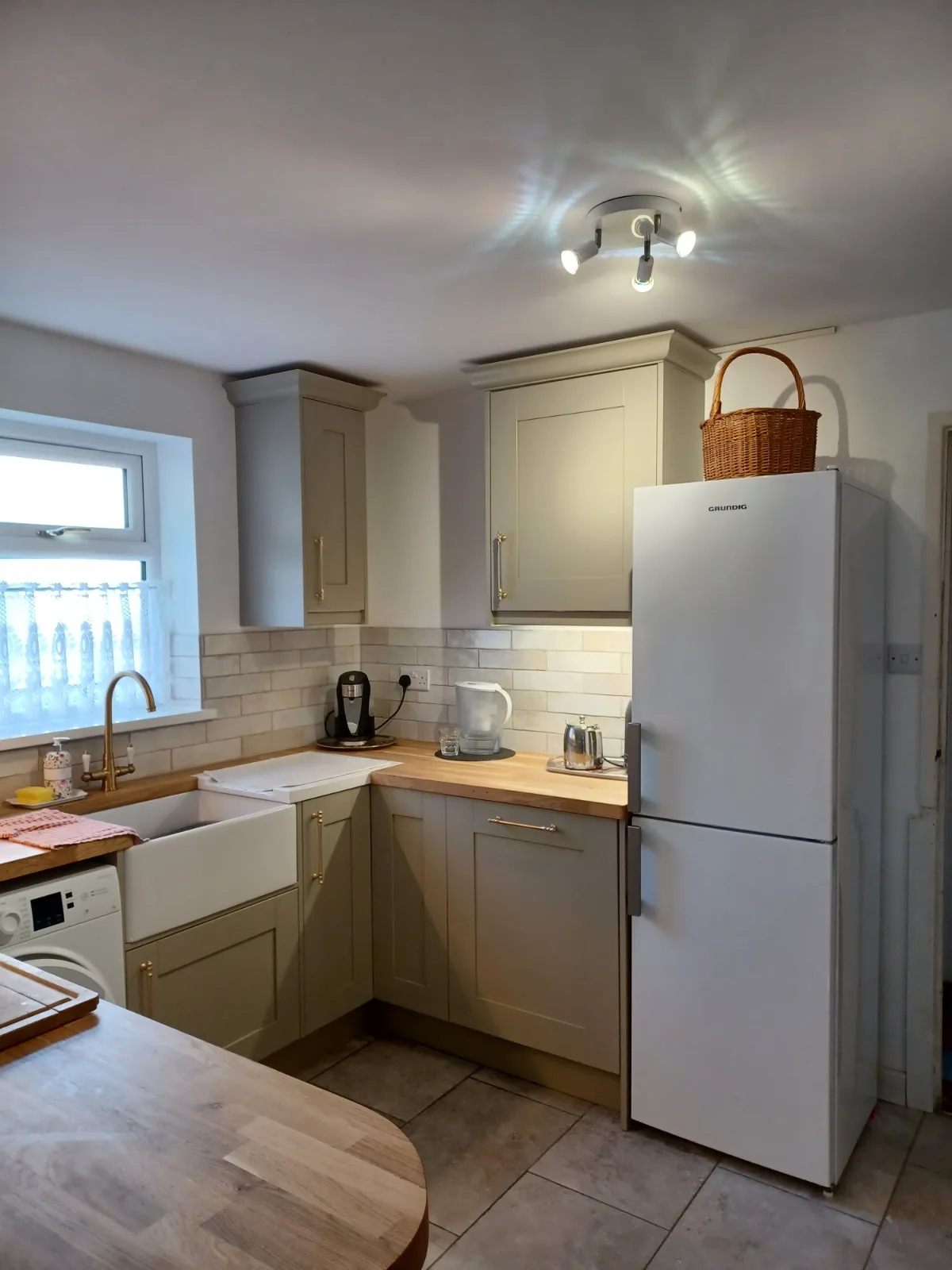
Sinks are critical areas for solid oak worktops due to constant water exposure. I ensure careful sealing during installation, but ongoing maintenance is vital. Always wipe up standing water immediately, especially around the taps and sink edges, to prevent staining and water ingress.
Regularly check the seal around your sink and ensure these areas are well-oiled. This proactive approach prevents water from soaking into the timber, which can lead to dark marks or swelling over time.
Hot Pans on Solid Oak Worktops: What Happens?
Placing hot pans directly onto a solid oak worktop can cause scorch marks or discolouration. Extreme heat can also dry out the wood rapidly, potentially leading to cracking or warping in that specific area. Always use trivets or pan stands to protect the surface from direct heat.
Prevention is the best approach to maintain the integrity and appearance of your worktops. Even a brief contact with a very hot pan can leave a lasting mark that is difficult to repair without sanding and re-oiling the affected section.
Solid Oak Worktop Colour Change Over Two Years
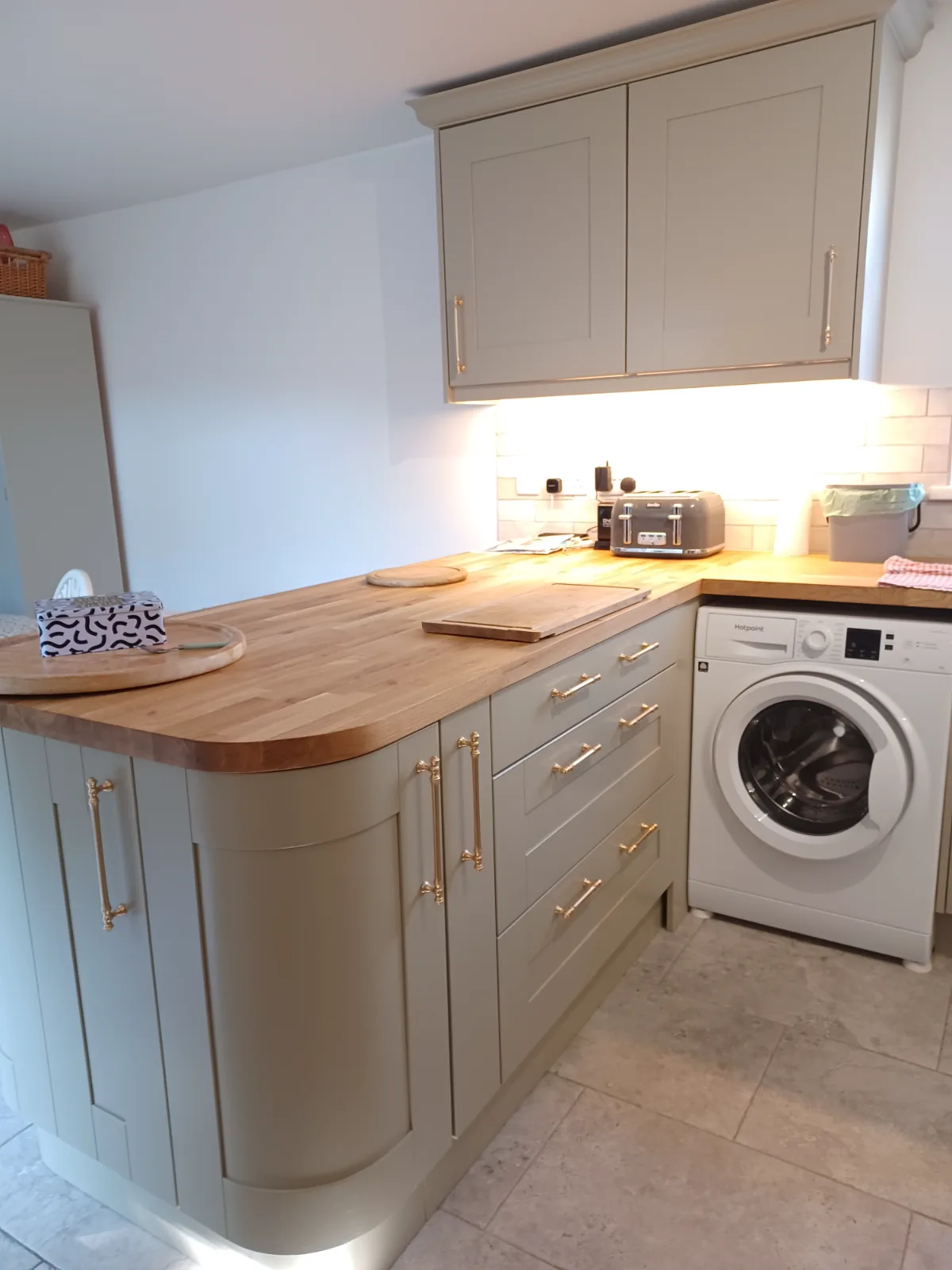
Over their first two years, solid oak worktops will naturally deepen in colour, developing a richer, warmer tone known as 'mellowing'. This change is a sought-after characteristic of natural wood, enhancing its appeal.
Exposure to natural light contributes to this process, and areas frequently exposed to sunlight may mellow more quickly. This patina adds character and depth, making each worktop unique.
Nick Archibold Bespoke Kitchens in Wiltshire
For custom-made kitchens designed with solid oak worktops and other natural materials, Nick Archibold offers a personal service. Every project, from kitchen refresh to fully bespoke, is handled by one person from design to installation. My own workshop, located in Corsham, ensures precise craftsmanship and quality control throughout the build. You can see more about how I create bespoke solutions at /bespoke-kitchen.
Frequently Asked Questions About Solid Oak Worktops
Will solid oak worktops stain easily? With proper oiling, solid oak worktops are highly resistant to stains. However, acidic foods, strong dyes, or prolonged contact with water can mark the surface if not wiped away promptly. Keep your worktops well-oiled to maximise their resistance.
Can solid oak worktops be repaired? Minor scratches, dents, or light watermarks can often be repaired by sanding the affected area and re-oiling. Deeper damage might require more extensive work but the solid nature of oak means it can often be restored.
What is the best oil for solid oak worktops? A good quality, food-safe worktop oil specifically designed for hardwood surfaces is recommended. These oils penetrate the wood, offering protection from within while allowing the timber to breathe.
Price Guide for Solid Oak Worktops
The cost of solid oak worktops varies based on thickness, length, and any custom shaping or cut-outs required for sinks and hobs. As a guide, expect prices to range from £250 to £700 per linear metre, depending on specifications and installation complexity. This is a guide only, confirmed at your Home Design Visit.
If this sounds like your kitchen, request your free Home Design Visit.