When Is a Bespoke Kitchen Really Worth It?
If you're planning a new kitchen, it doesn't take long before you come across the word bespoke.
It is often associated with beautiful cabinetry, individual design and exceptional craftsmanship. But it can also make choosing a kitchen unnecessarily confusing.
What actually makes a kitchen bespoke? More importantly, when is going bespoke genuinely worthwhile?
The answer is not necessarily every time.
A well-designed kitchen made using high-quality manufactured cabinetry can be an excellent choice for many homes. Fully bespoke furniture starts to make sense when making something specifically for the room allows us to solve problems, improve proportions or create something that simply couldn't be achieved satisfactorily using standard components.
What does a truly bespoke kitchen mean?
For me, a bespoke kitchen begins with the room rather than a range of cabinets.
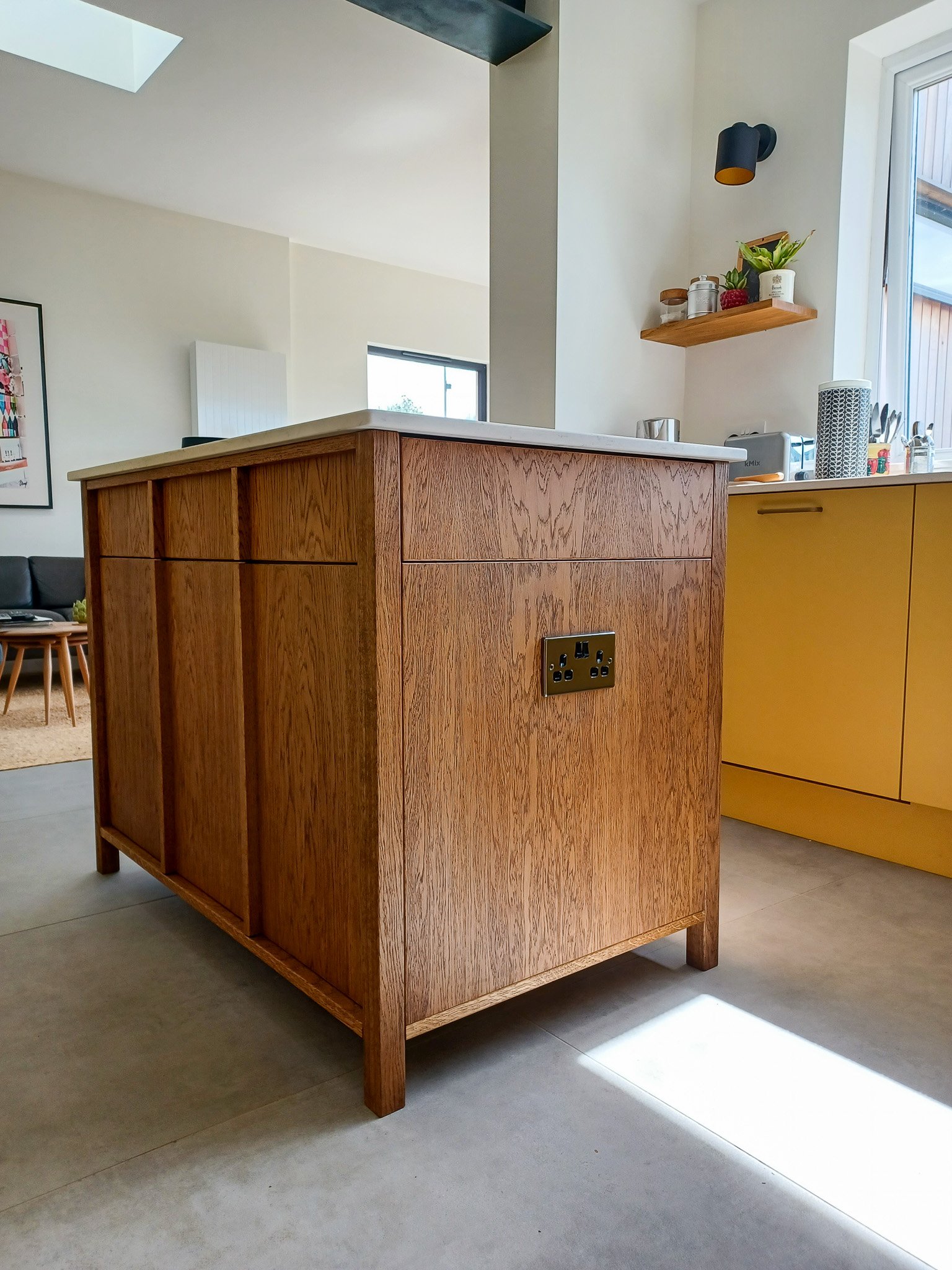
The furniture can be designed and made specifically for the space, without having to work around predetermined cabinet widths, door sizes or standard combinations.
That might mean making a cabinet 713mm wide because that is what the room requires rather than choosing between a 700mm and an 800mm unit. But the benefit of bespoke goes much further than unusual dimensions.
It allows the proportions of the furniture, materials, internal arrangements and individual details to be considered together.
The important distinction is that the kitchen is not simply personalised from a catalogue of existing options. The furniture itself can be created around the project.
When does bespoke make a real difference?
There are some homes where this freedom is particularly valuable.
Period properties are a good example.
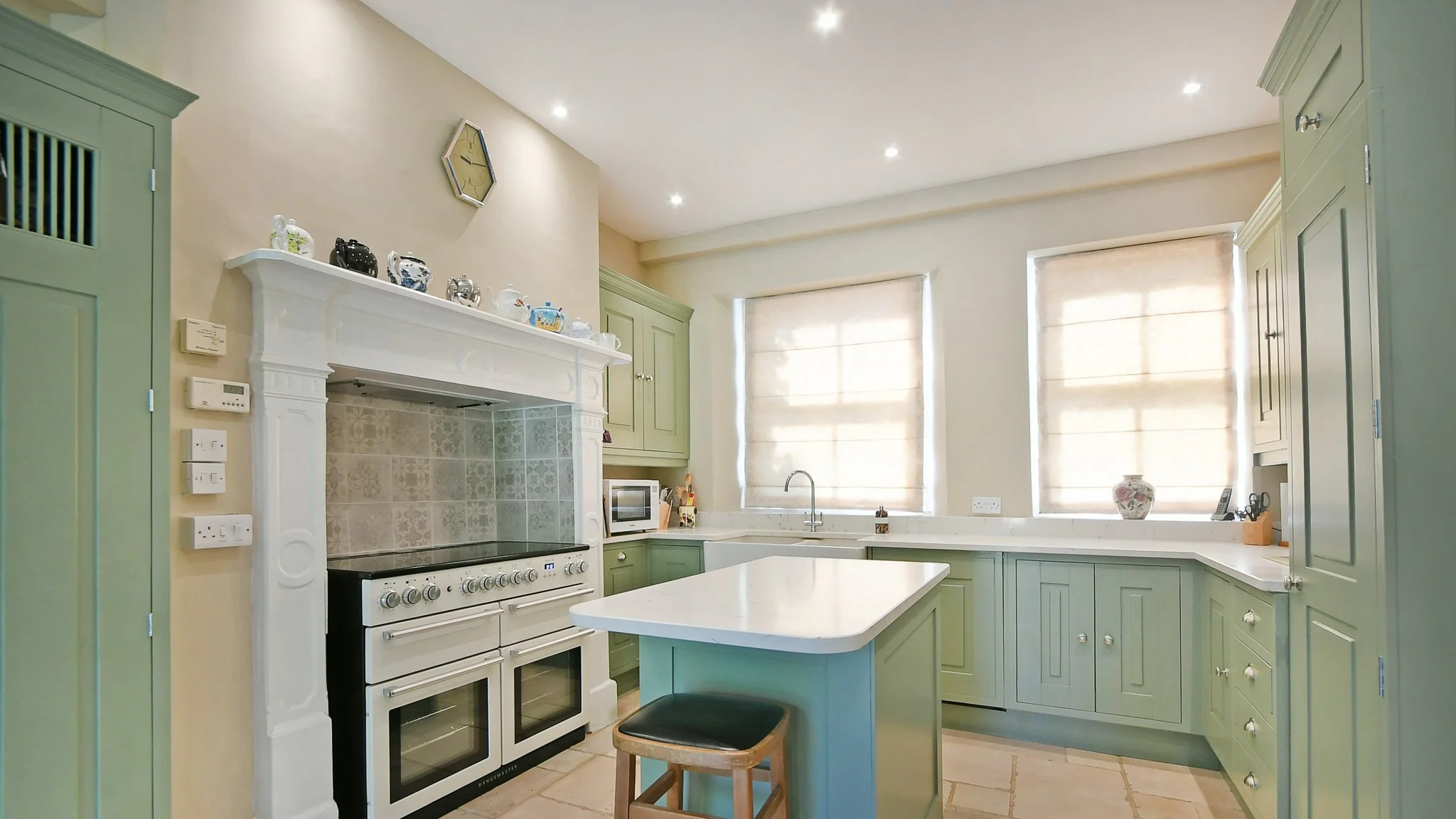
Old houses rarely have perfectly straight walls, conveniently positioned chimney breasts or dimensions that correspond neatly with standard kitchen cabinets. They may have beams, alcoves, changes in floor level or architectural details worth preserving rather than concealing.
Trying to force a predetermined kitchen system into a room like this can sometimes lead to fillers, awkward gaps or compromises in proportion.
Bespoke cabinetry gives us another option: make the furniture fit the architecture.
The same is true where an individual piece of furniture is important to the room.
An island, dresser, pantry or glazed cabinet doesn't always need to look like another kitchen unit. It can be designed more like a piece of furniture, with its scale and detailing considered in relation to the room around it.
That can make a considerable difference to how naturally a new kitchen settles into an established home.
Bespoke can also solve practical problems
The best reasons for choosing bespoke aren't always decorative.
Perhaps a difficult corner could become useful storage.
Perhaps a full-height cupboard could make better use of an alcove.
Perhaps an island needs a very particular proportion to maintain comfortable circulation around the room.
Or perhaps the way you cook means conventional drawer and cupboard arrangements simply aren't quite right.
These are the situations where making something specifically for you starts to earn its keep.
Good bespoke design should solve practical problems quietly. You shouldn't necessarily walk into the finished room and immediately notice all the clever things that have been done.
It should simply feel right.
When might you not need a fully bespoke kitchen?
This is an equally important question.
If your room is relatively straightforward and good-quality manufactured cabinetry can produce the layout, appearance and storage you want, commissioning every cabinet individually may not provide enough additional benefit to justify the extra investment.
There is an excellent middle ground.
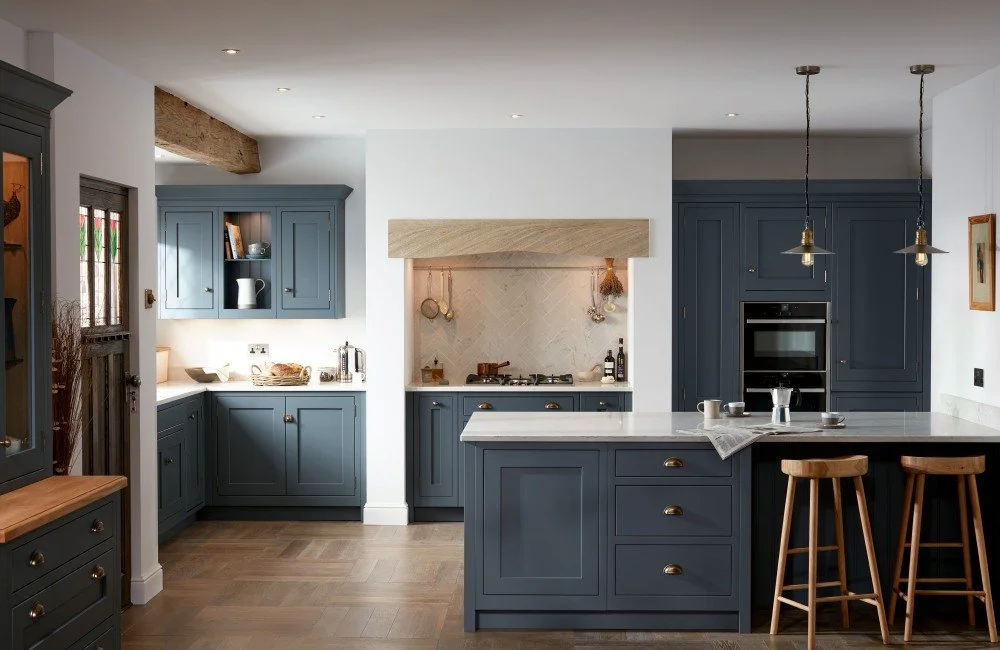
A high-quality kitchen can be carefully designed using British manufactured cabinetry and then personalised with individually made pieces where they genuinely improve the result.
Perhaps the main run of cabinets works perfectly using manufactured components, but an awkward alcove needs a bespoke cupboard. Or a standard kitchen could be transformed by an individually designed island, dresser or pantry.
I don't believe bespoke should be used merely for the sake of being able to call a kitchen bespoke.
The aim is to spend your budget where it makes the greatest difference.
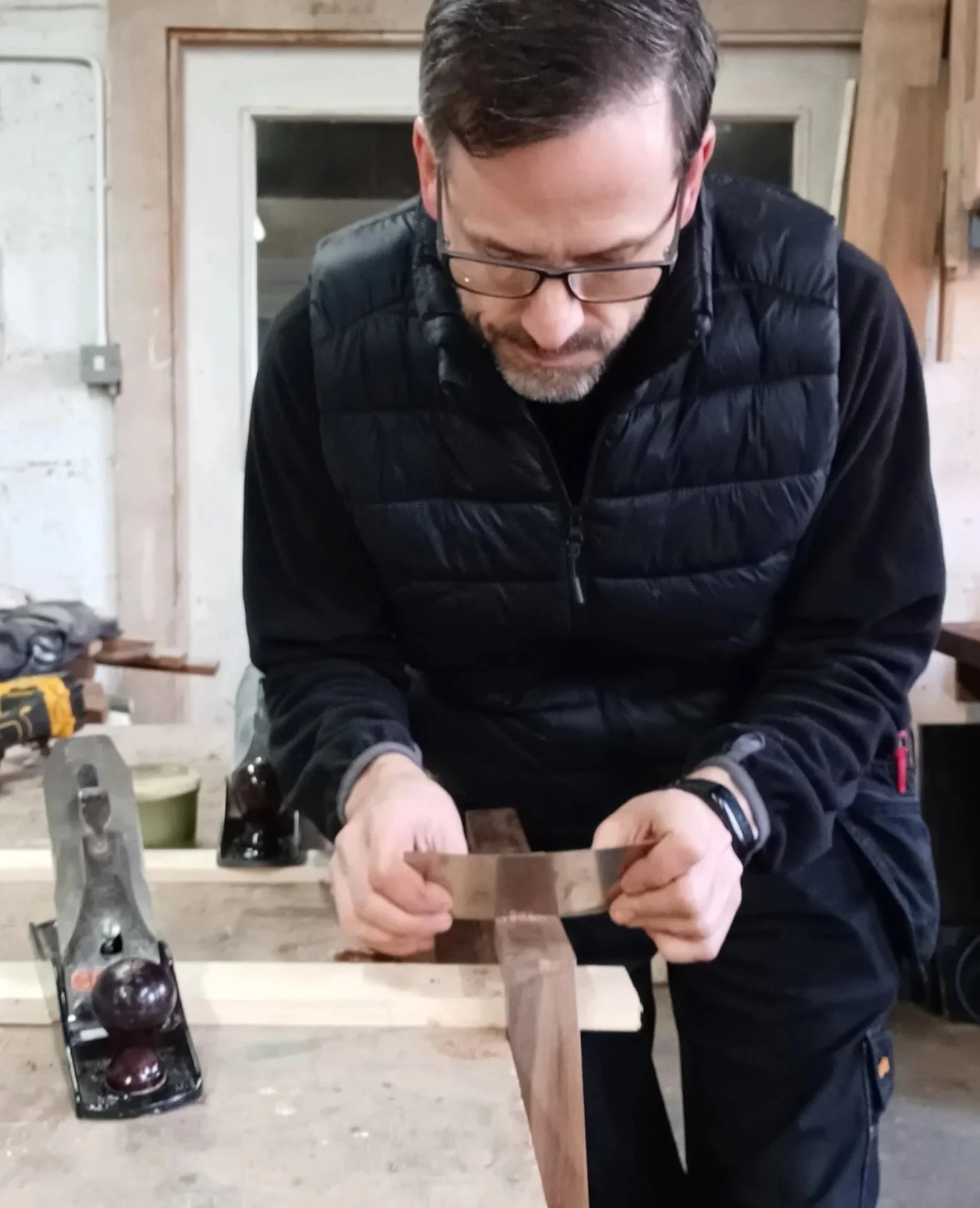
The advantage of having a workshop
Having a workshop changes the design conversation.
Rather than asking only, "Which cabinet can we use here?", I can also ask, "What would work best here if we made it?"
Sometimes the answer will still be something straightforward.
Sometimes it will be a cabinet of an unusual depth, a particular arrangement of drawers, a piece designed around existing architecture or furniture made to continue naturally into another part of the room.
Being able to make those pieces means the design isn't restricted by what happens to appear in a product catalogue.
It also allows decisions about construction, materials and detailing to be made for the particular project rather than simply accepted as fixed specifications.
Good kitchen design starts in your home
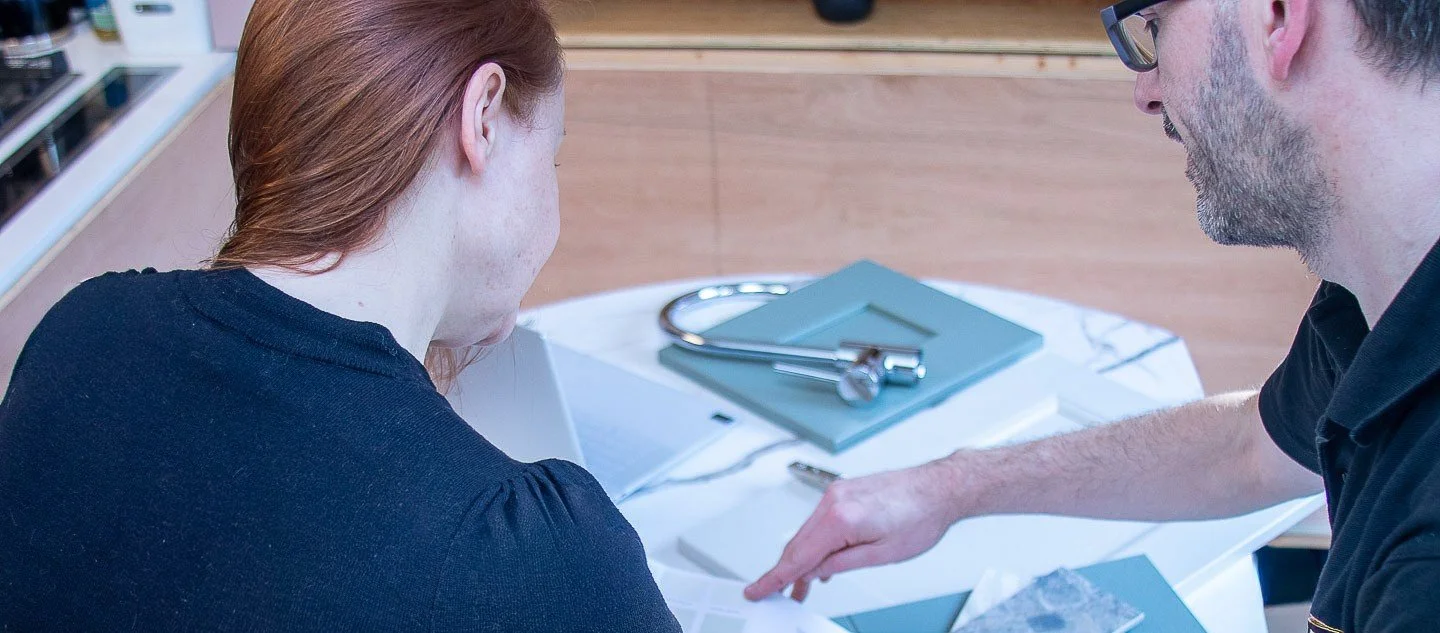
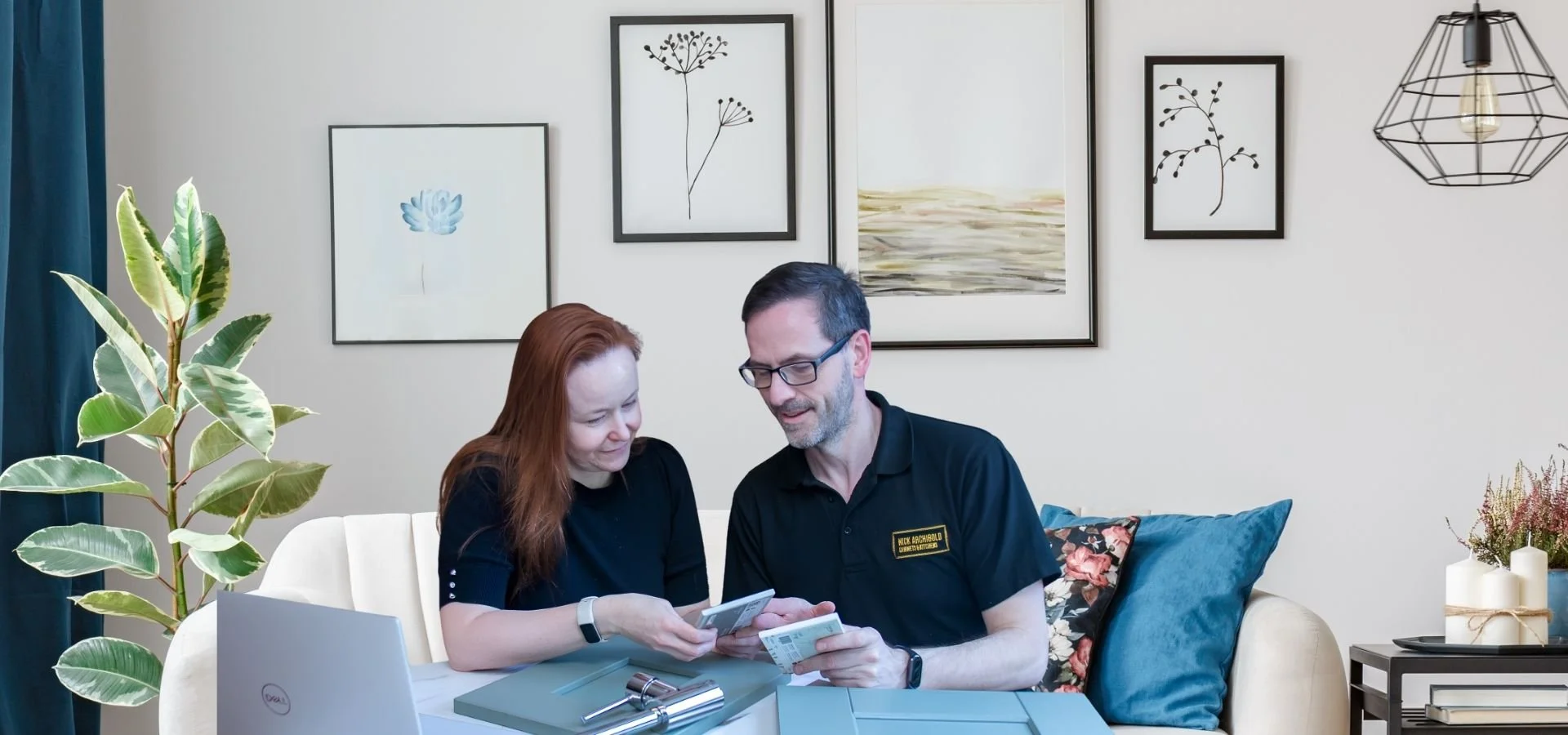
This is also why I prefer to begin kitchen projects in the customer's home.
A showroom can be useful for inspiration, but it can never show me how morning light falls across your kitchen, where everyone naturally walks through the room or why that particular cupboard has annoyed you for the last ten years.
Your home provides the context.
I can look at the proportions of the room, its architecture, neighbouring spaces and the furniture and materials you already live with. We can discuss what works in your existing kitchen, what doesn't and what you would genuinely like to change.
Only then does it make sense to start deciding what should be built.
For period homes in particular, I think this matters. The most successful kitchen is rarely the one that shouts loudest. It is often the one that feels as though it belongs.
Bespoke should be a solution, not a label
A bespoke kitchen can offer extraordinary freedom, but freedom is useful only when it has a purpose.
The question isn't simply whether bespoke furniture is better.
It is whether making something specifically for your home will produce a better kitchen.
Sometimes the right answer will be a completely bespoke kitchen, designed and made from scratch.
Sometimes it will be a carefully personalised kitchen combining high-quality manufactured cabinetry with individual pieces.
And sometimes the best decision is to keep much of what you already have and improve it.
My job is to help you work out which of those approaches makes most sense.
If you're considering changing your kitchen and aren't sure how far you need to go, a home design visit is a useful place to begin. We can look at the room together, talk through what you want to achieve and establish where bespoke cabinetry would genuinely add something — and where it wouldn't.