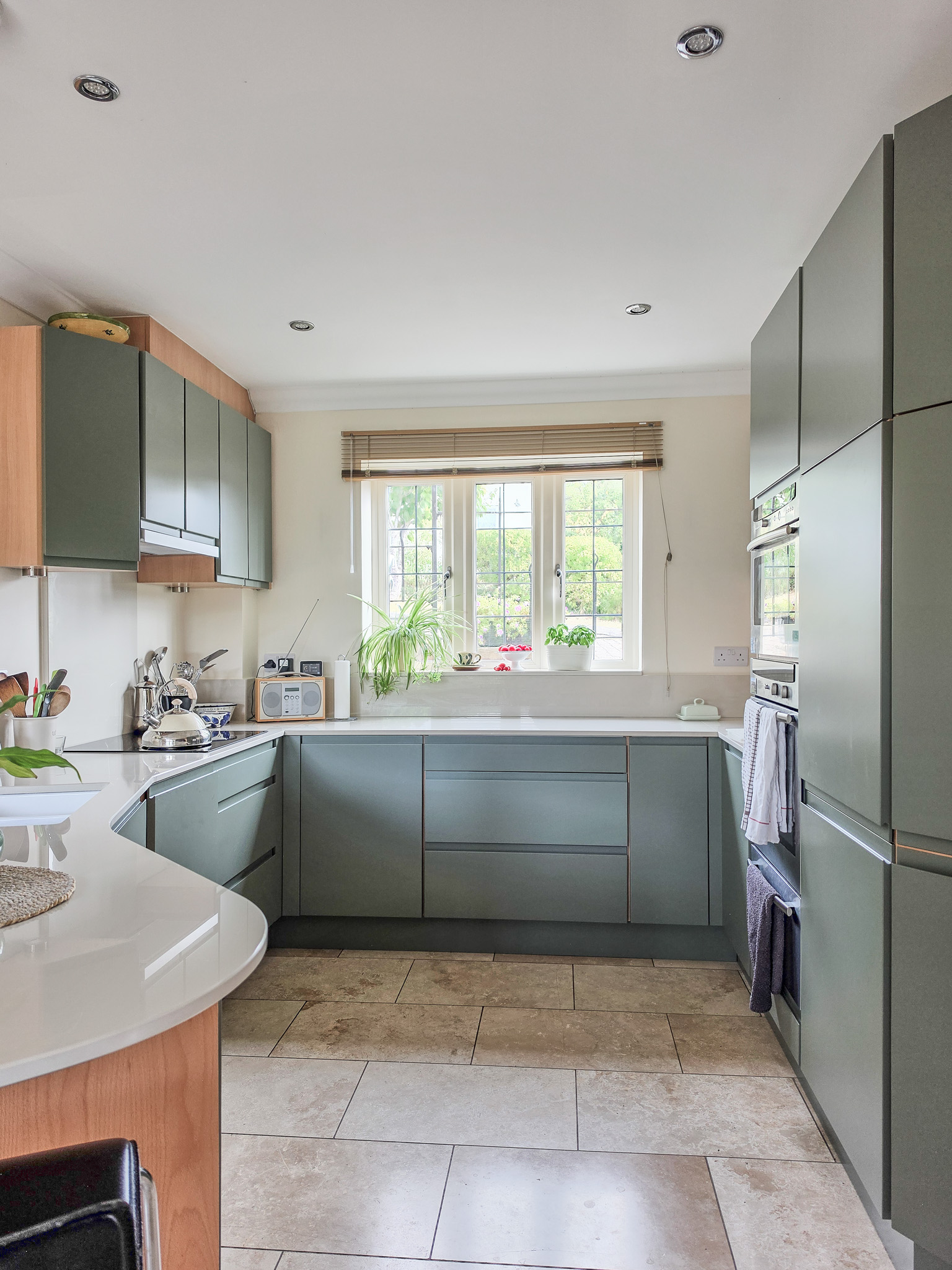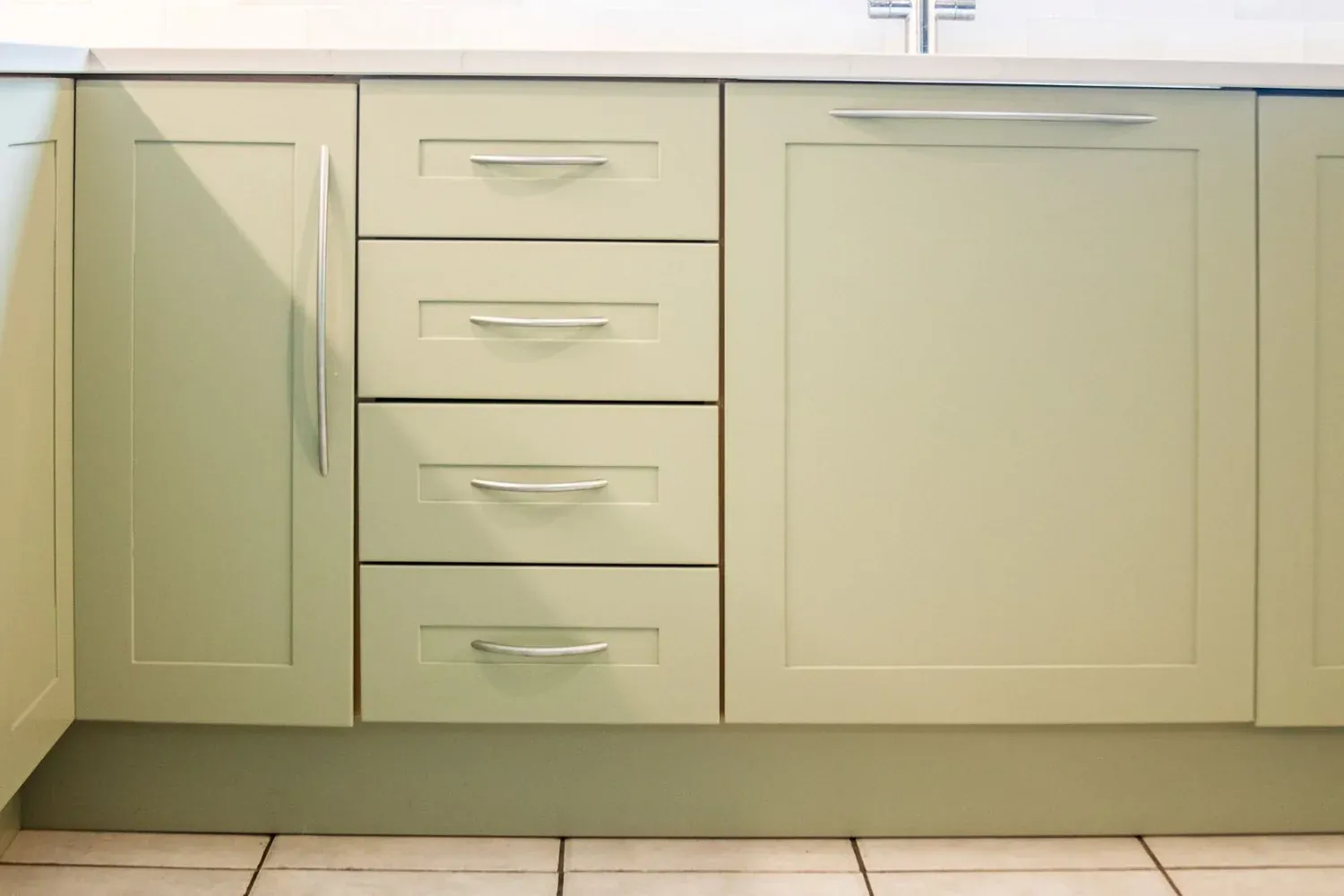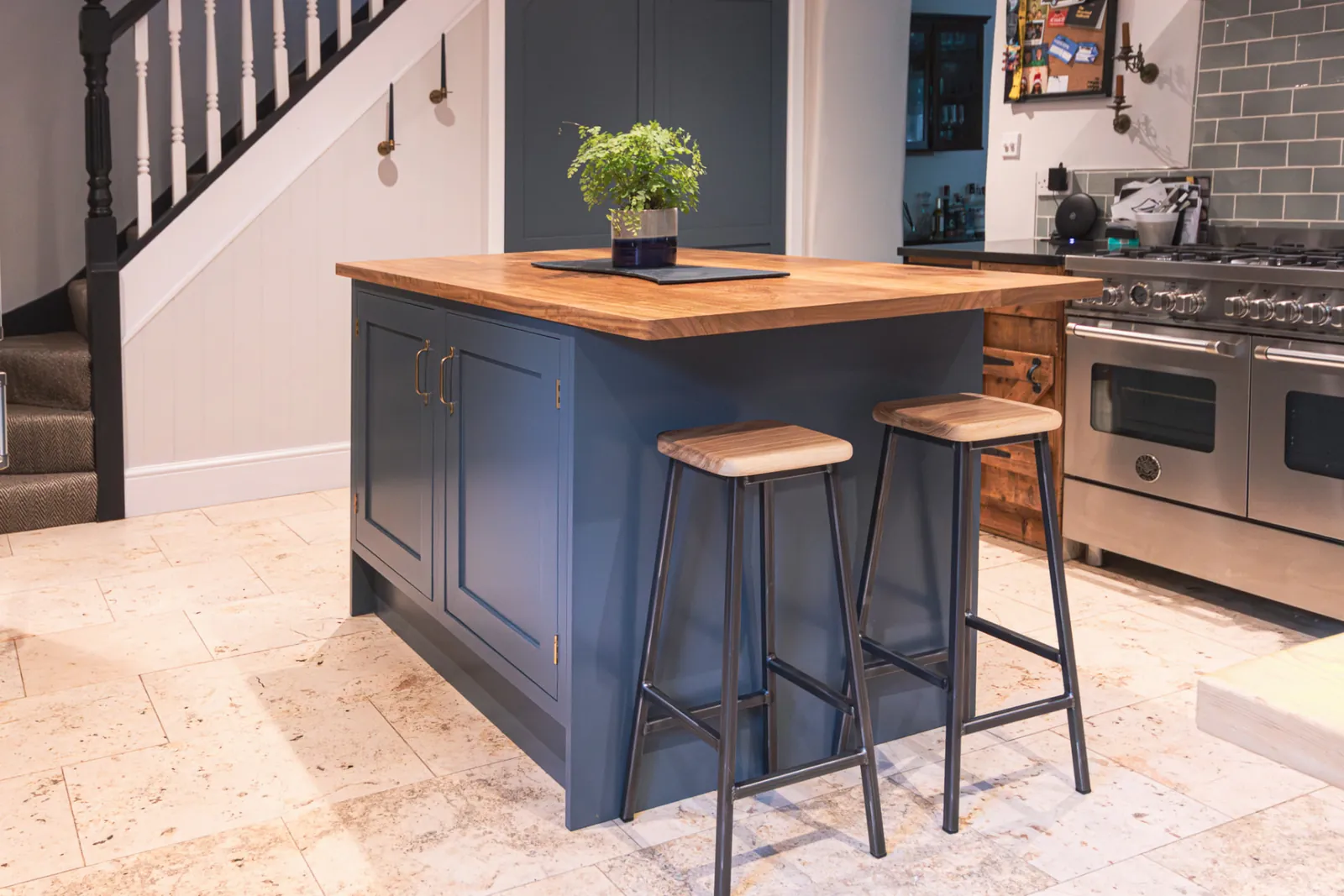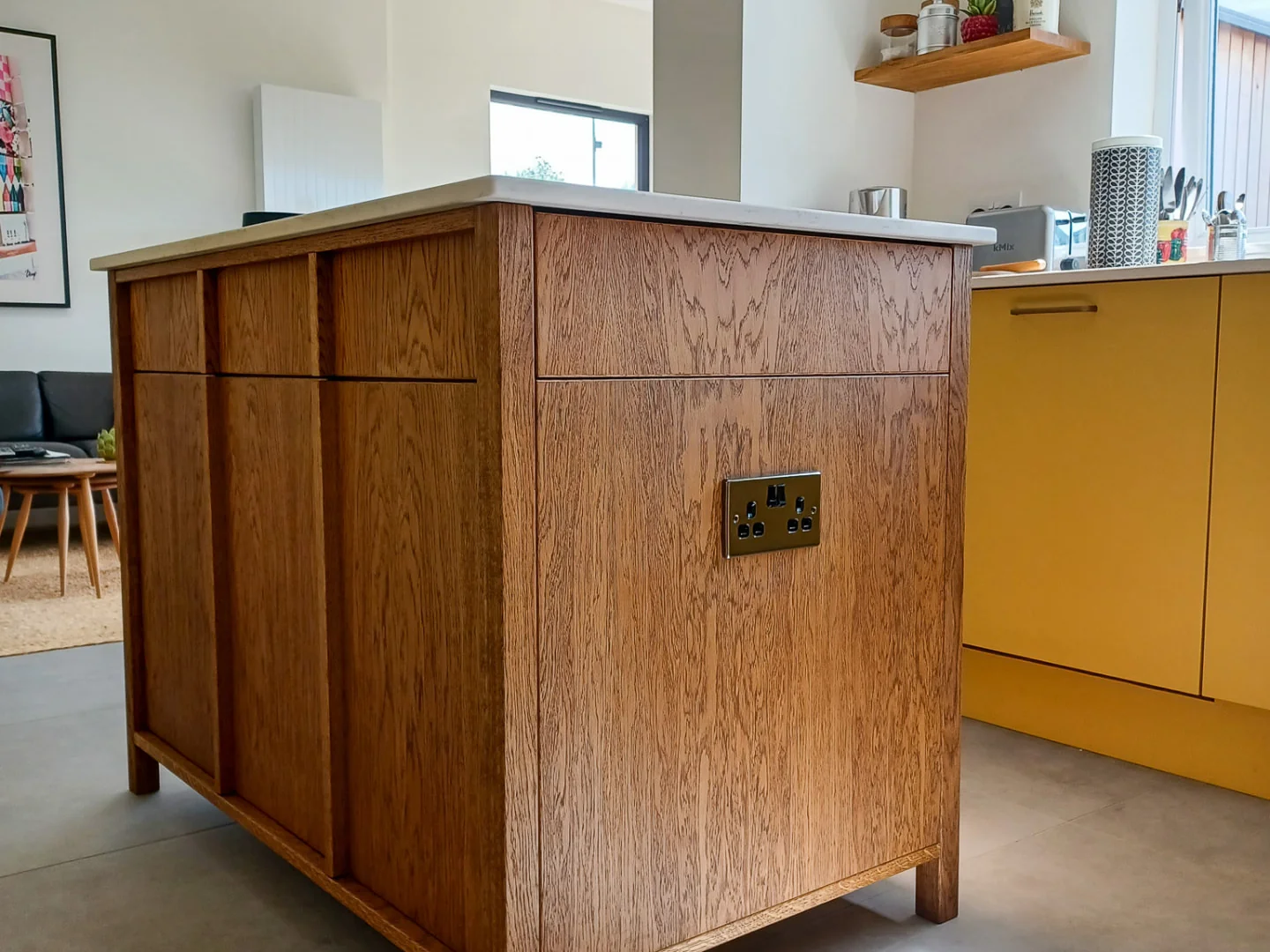
A kitchen project can involve a significant investment, so it is understandable that many homeowners begin by asking the same question:
Where should I spend the money?
The answer is not always found in choosing the most expensive doors, worktops or appliances
A well-planned kitchen budget should improve how the room works, how it feels and how long it continues to serve the home. That may mean replacing everything. It may also mean retaining sound cabinetry and concentrating the budget on the areas that will make the greatest difference
Begin with the right level of change
Before choosing colours, handles or worktops, decide whether the kitchen needs to be refreshed, replaced or redesigned from scratch
If the existing cabinets are structurally sound and the layout still works well, a full replacement may not be necessary. New doors, drawer fronts, worktops and carefully chosen details can transform the room while preserving what is still useful
If the cabinets are failing or the layout no longer suits the way you live, a new custom kitchen may offer better value over the long term
In homes with unusual architecture, awkward dimensions or very particular requirements, bespoke cabinetry may be the most appropriate solution
The best use of the budget begins with choosing the correct level of work
Spend first on the layout
The layout has a greater effect on daily life than the door colour
A kitchen can look attractive but still be frustrating if:
the main work areas are too far apart, storage is in the wrong place, doors and drawers obstruct one another, the island is too large, circulation through the room is restricted and appliances are positioned without considering how they are used.
Before increasing the budget for premium finishes, make sure the room is properly planned
A thoughtful layout can make an ordinary cabinet system work exceptionally well. A poor layout can undermine even the most expensive kitchen
This is one reason I prefer to begin the process in the client’s home. The room, architecture, light and everyday patterns of use are easier to understand in context than in a showroom
Keep sound cabinetry where it makes sense
Replacing an entire kitchen is not automatically the best investment
Many older kitchens have sound carcasses but dated fronts, tired worktops or poor finishing details. If the cabinet boxes are secure, dry and reasonably level, they may provide a suitable basis for a refresh
The available budget can then be directed towards improvements such as:
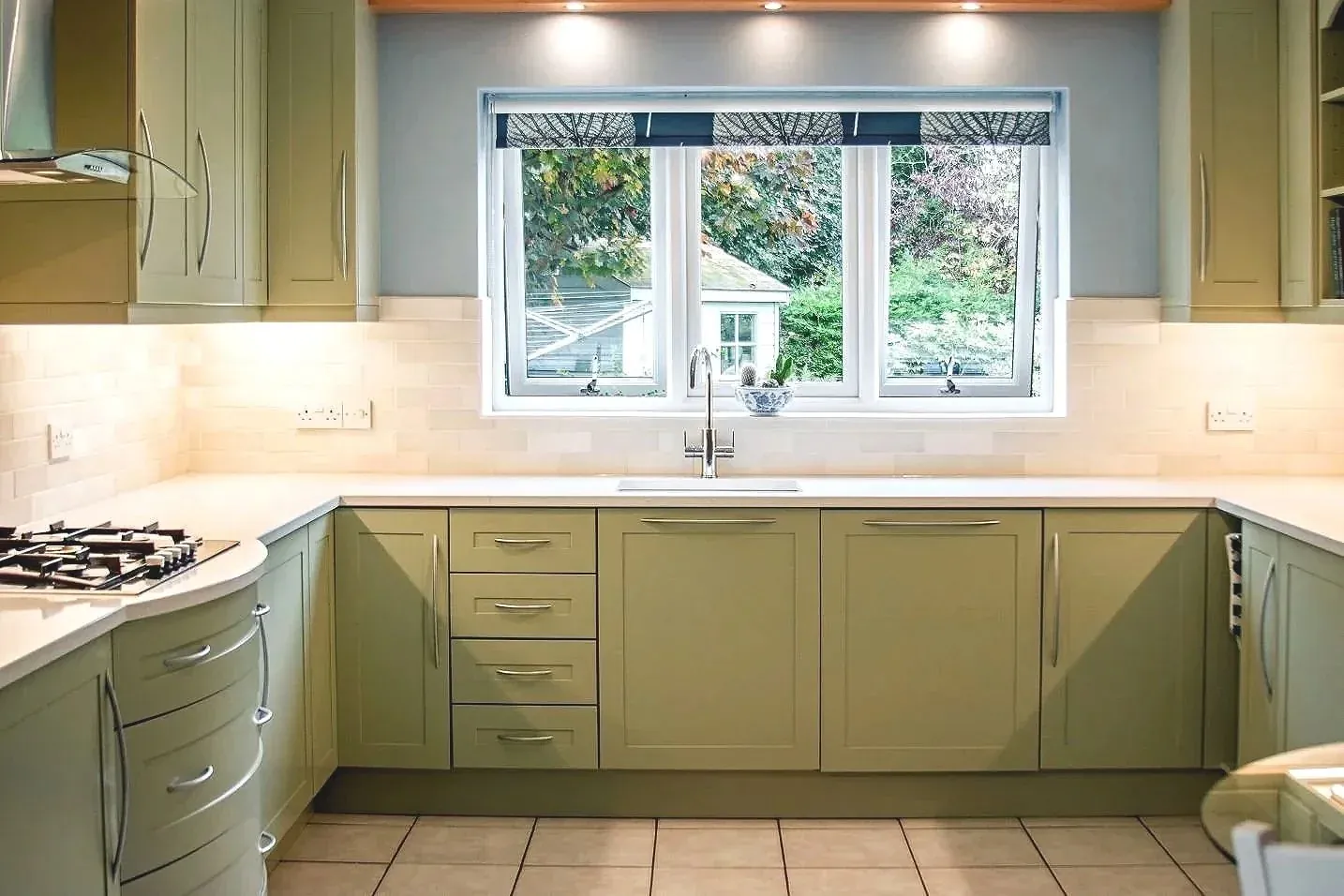
replacement doors and drawer fronts, professional spray finishing, new end panels, plinths and trims, improved hinges and drawer runners, quartz or stone worktops, a new sink and tap, upgraded internal storage and individually made additions.
This can produce a substantial transformation with less waste and disruption
However, retaining cabinetry should not become a false economy. Swollen boards, extensive water damage, weak joints or a fundamentally unsuitable layout may indicate that replacement is the more sensible choice
The decision should be based on condition and function rather than the assumption that either refreshing or replacing is always better
Invest in the parts you touch every day
Some elements affect the experience of the kitchen more than others
Good-quality hinges, drawer runners and handles may not dominate the photographs, but they influence how the kitchen feels every time it is used
Drawers should open smoothly. Doors should align properly. Handles should feel comfortable. Frequently used storage should be easy to reach
These details are worth prioritising because they affect daily use and tend to reveal poor quality quickly
Similarly, installation should not be treated as the final item to squeeze into the remaining budget. Even good cabinetry can look disappointing if it is poorly fitted. Careful alignment, accurate scribing and properly resolved finishing details are essential to the result
Choose worktops for the way you live
Worktops make a major visual contribution to the room, but appearance is only part of the decision
Consider:
resistance to staining and scratching, maintenance requirements, heat resistance, edge details, sink arrangement, joint positions, the weight and support required and how the surface relates to the cabinetry and floor.
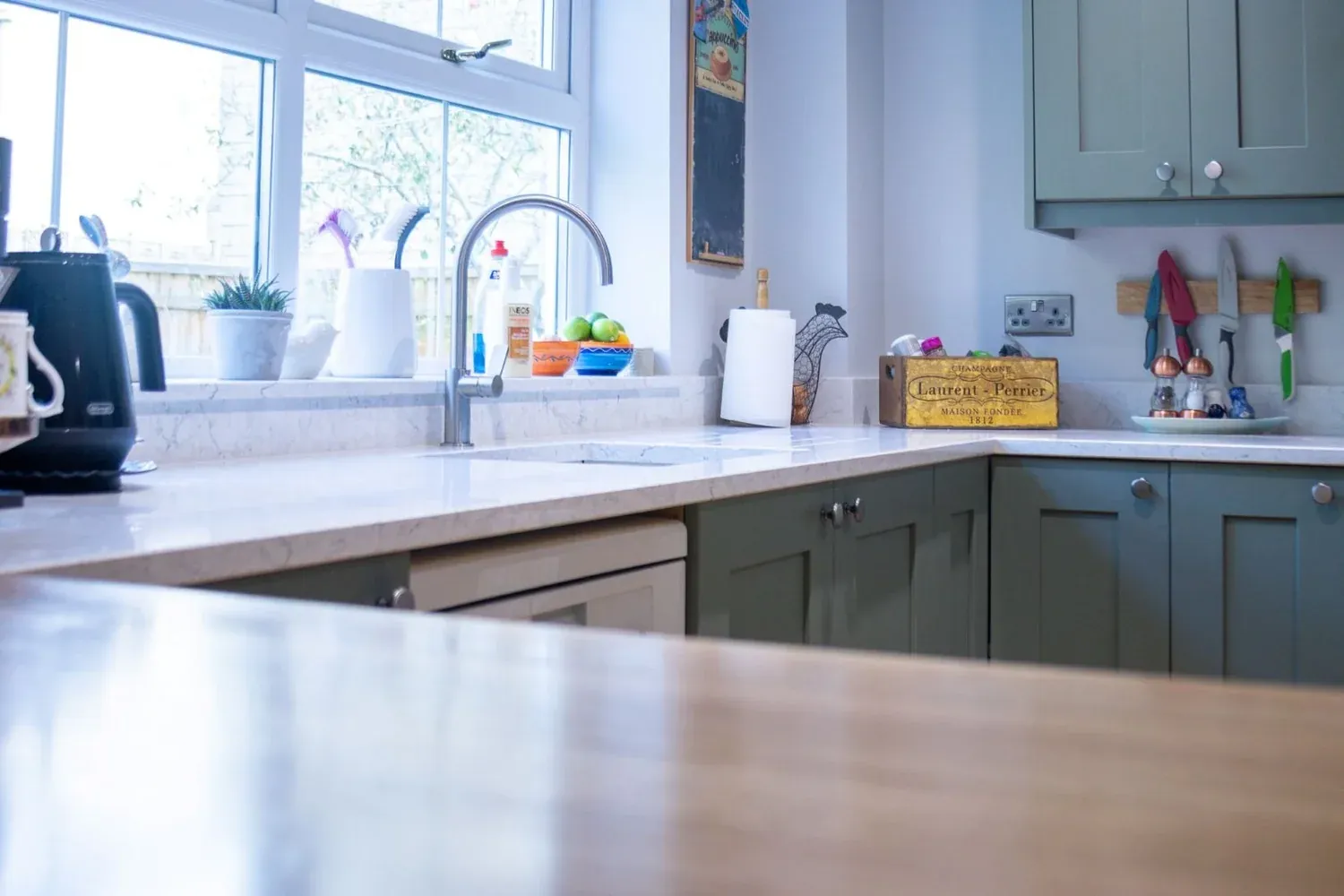
Quartz is a popular choice because it provides a durable, consistent surface with a broad range of colours and patterns. Natural stone can offer greater individuality, but it may require more careful selection and maintenance
Porcelain and solid surfaces may also suit particular projects
The right worktop is not simply the most expensive option. It is the material that offers the most suitable balance of appearance, practicality and longevity for the household
Do not overlook lighting
Lighting is often considered too late, even though it changes how the kitchen works and how every material appears
A good lighting plan usually combines several layers:
general room lighting, task lighting over work areas, lighting beneath wall cabinets or shelves, decorative lighting over an island or table and softer evening lighting.
Poor lighting can flatten an otherwise attractive kitchen or make preparation areas difficult to use
It is worth considering lighting before the furniture design is finalised, particularly where wiring, wall finishes or ceiling positions may need to be adjusted
Use storage to solve real problems
Storage accessories can quickly consume a large part of the budget
Some are extremely useful. Others add cost without significantly improving the kitchen
Before choosing pull-outs, carousels, pantry mechanisms and internal fittings, identify the actual problem they are intended to solve
Ask:
What is difficult to store now?, Which items are used most often?, What needs to be kept near the cooking area?, Are deep drawers more practical than cupboards?, Would one well-designed pantry be more useful than several complex mechanisms? and Does every accessory justify the space it occupies?.
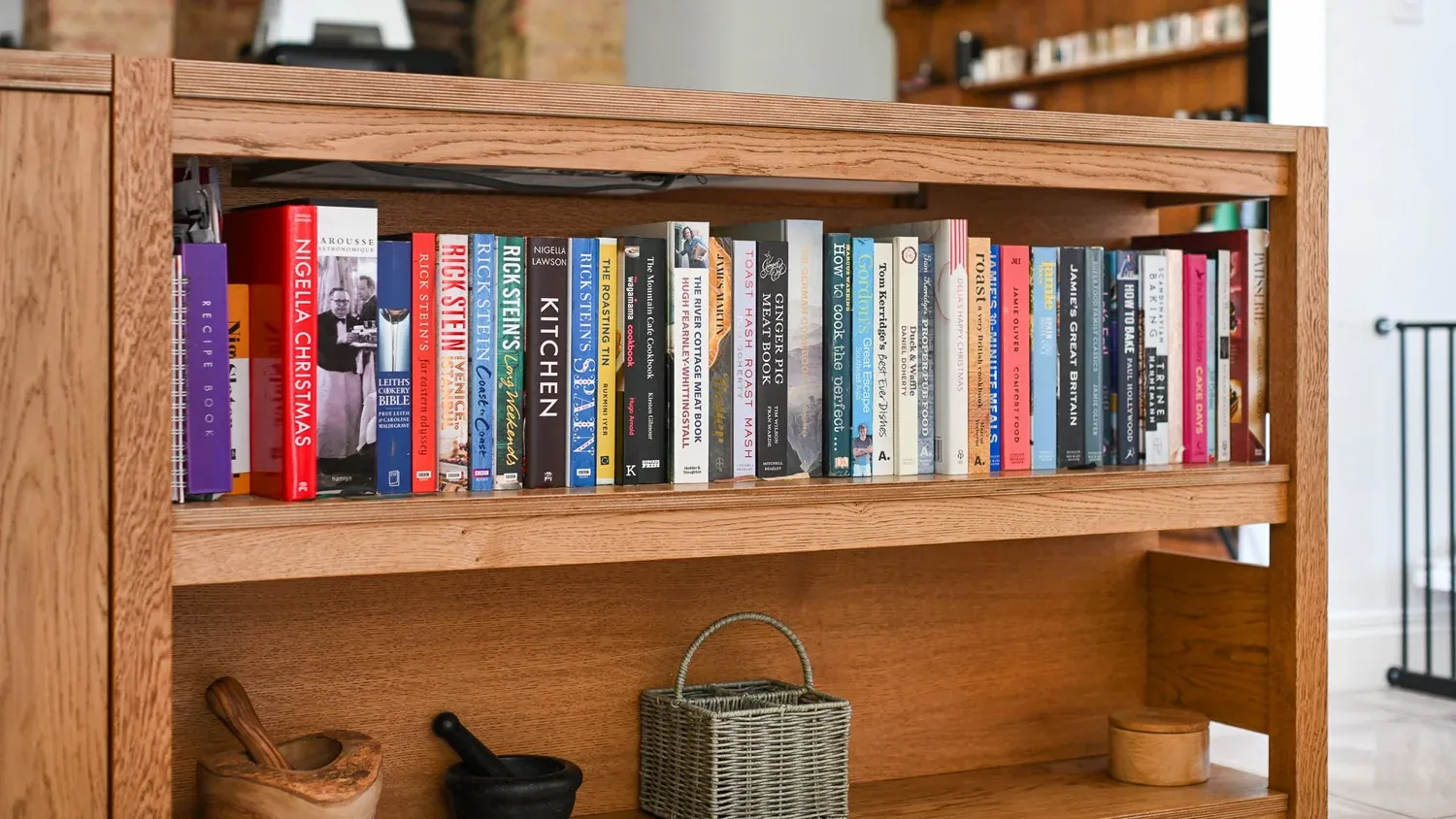
Storage should be designed around the household rather than added because it looked impressive in a display
Sometimes a simple, well-proportioned cabinet provides better value than an elaborate mechanism
Spend on bespoke work where it adds genuine value
Not every cabinet needs to be made from scratch
High-quality manufactured cabinetry can provide an excellent basis for many kitchens. It offers reliable construction, useful standard sizes and a wide range of finishes
Bespoke work becomes worthwhile where standard furniture creates a compromise
For example:
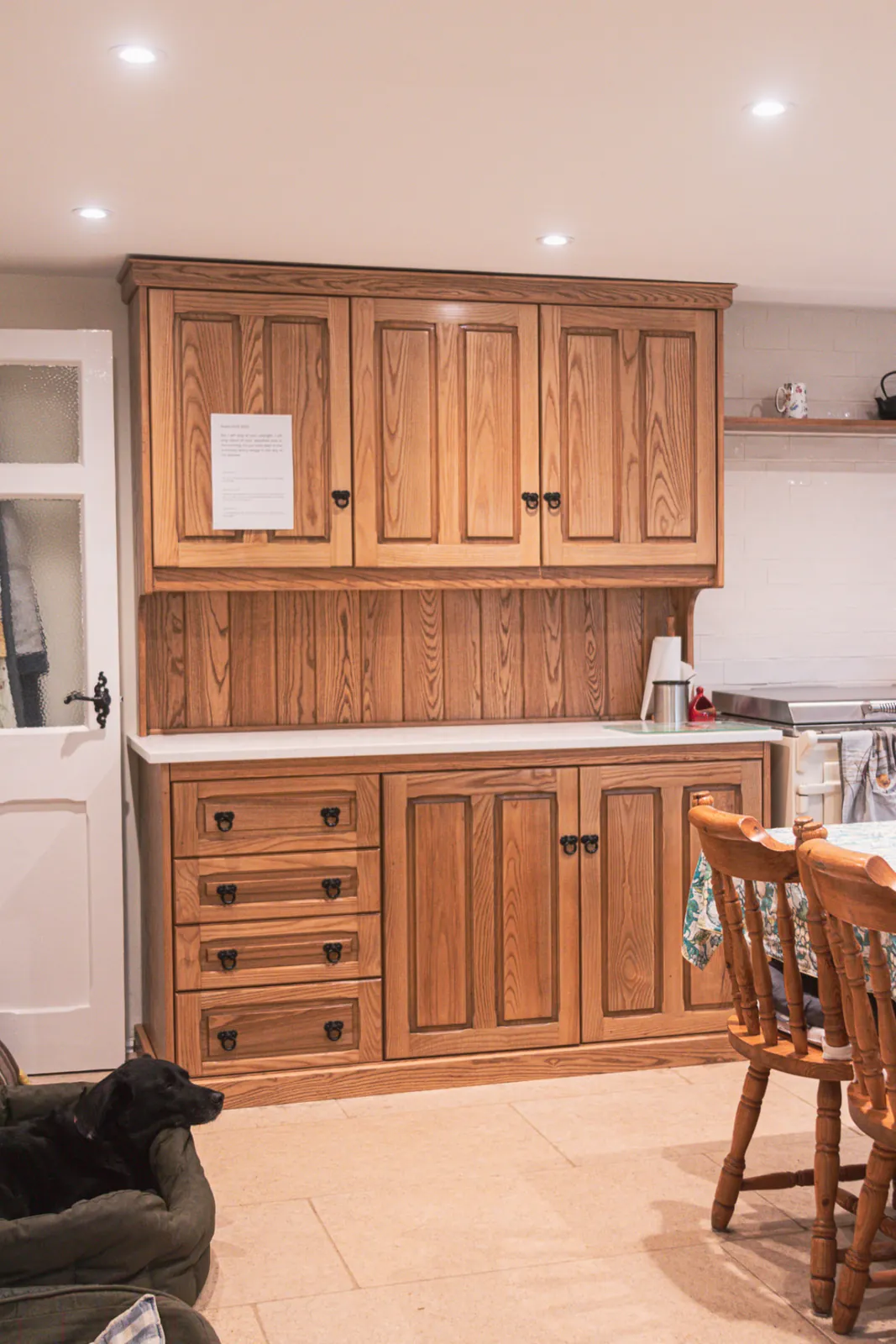
an awkward alcove requires a non-standard depth, a sloping ceiling needs individually proportioned cabinetry, an island must be made to a precise size, furniture needs to align with windows or architectural details, a pantry or dresser requires a particular internal arrangement and the kitchen must connect visually with adjoining fitted furniture.
A practical approach is often to combine manufactured cabinetry with selected workshop-made elements
This allows the budget to be concentrated where individual manufacture creates a clear benefit