
Do You Really Need a Bespoke Kitchen? A More Honest Guide for Period Homes

Choosing either a bespoke or custom kitchen can be the difference between wants and needs
If you’re planning a new kitchen for a period home, it doesn’t take long before the word bespoke starts appearing everywhere
“Bespoke kitchen”
“Handmade kitchen”
“Furniture-grade kitchen”
“Architectural kitchen”
And while some of those projects are genuinely extraordinary, the word itself has become a little blurred
For some companies, “bespoke” means designed around you
For others, it means customised from a standard range
And for a smaller number, it means a kitchen that is truly made from scratch to suit the house
So how do you know whether you actually need a bespoke kitchen?
The honest answer is this:
Not every home needs one
But in the right house — and for the right reasons — a truly bespoke kitchen can make all the difference
The problem with buying a kitchen like furniture
A lot of kitchens are sold as though they are simply products
You visit a showroom
You choose a style
You select colours, handles and worktops
And then the room is made to fit the system
That approach can work perfectly well in some homes
But older houses rarely behave like that

Resist the allure of the showroom. Showrooms selling Dream Kitchens often fail to deliver on reality
Period homes tend to come with:
uneven walls,
imperfect corners,
awkward chimney breasts,
low beams,
strange proportions,
off-centre windows,
alcoves that are just slightly wrong for standard cabinetry
And beyond the technical side, they often need something else too:
sensitivity
A kitchen in a Georgian townhouse, a Victorian villa or a country cottage shouldn’t feel like it’s been dropped in from a catalogue
It should feel as though it belongs there
That is where true bespoke work begins to earn its place
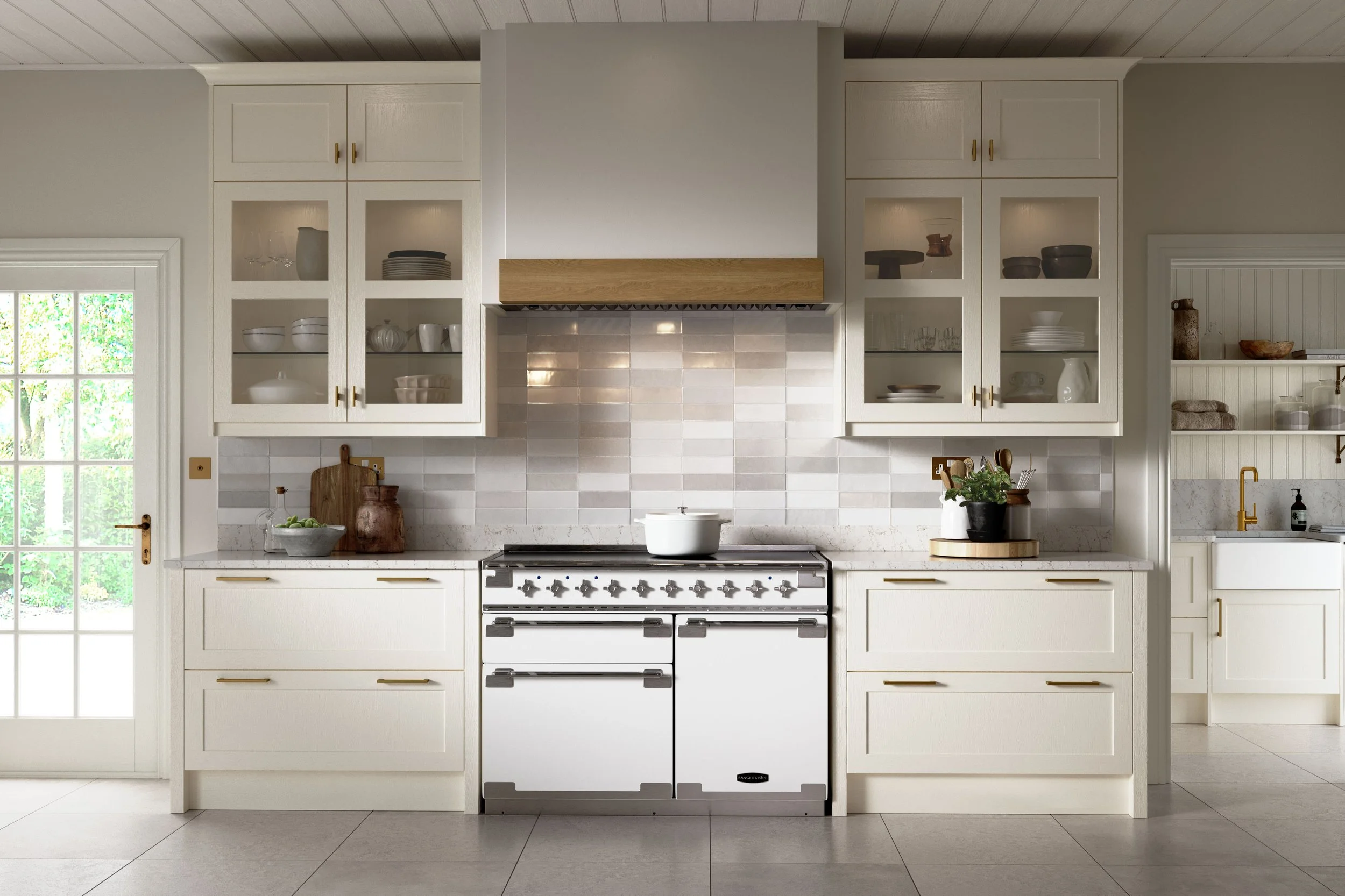
Sensitivity to the space is paramount to a kitchen that fits naturally into its environment
What a bespoke kitchen should actually mean
For me, a bespoke kitchen isn’t just a more expensive kitchen
It should mean something much more useful than that
A genuinely bespoke kitchen should allow the room to be designed around:
the architecture of the house,
the proportions of the room,
the way you want to live in it,
and the details that make the space feel right
That might mean:
adjusting cabinet widths and proportions to suit original features,
designing around a chimney breast properly rather than disguising it badly,
creating storage that works around awkward corners or low ceilings,
matching mouldings and visual rhythm to the character of the house,
or making individual pieces that feel more like furniture than fitted units
In other words:
bespoke should solve problems and improve the result — not simply sound impressive

Better problem solving results in a better kitchen
When bespoke is genuinely worth it
In my experience, bespoke tends to be most worthwhile when one or more of the following is true
1. The room has awkward architecture
If your kitchen space has unusual dimensions, structural quirks or architectural features worth preserving, bespoke joinery can make the room feel resolved rather than compromised
2. You want the kitchen to feel native to the house
This is especially important in period homes
The right proportions, framing, moulding details and material choices can make the difference between a kitchen that looks “newly fitted” and one that feels properly at home
3. Off-the-shelf options create too many compromises
Sometimes standard cabinetry can be made to work
Sometimes it introduces too many fillers, dead spaces, visual interruptions or design workarounds
That’s often where bespoke starts to justify itself
4. You care about how it’s made — not just how it looks
If you value proper materials, well-considered detailing and cabinetry built with longevity in mind, bespoke can offer a very different level of control and quality

Carpentry., Joinery, Cabinetmaking, Professional Finishing. Ideation, Design, Fabrication & Installation. All available from our workshop
And when bespoke might not be necessary
This is the part few kitchen companies tend to mention
Sometimes a fully bespoke kitchen isn’t the smartest route
If the room is straightforward, the layout is conventional, and your priorities are more about overall feel than absolute custom manufacture, there may be other ways to achieve an excellent result
That’s why the best starting point is not:
“Do I want a bespoke kitchen?”
It’s this:
“What does this room actually need?”
That’s a much better question
Because some homes need complete bespoke capability
Others need thoughtful design, careful specification and the right finishing details
Those are not the same thing
And they shouldn’t be sold as though they are
The real value is in getting the judgement right
This is where I think homeowners are often underserved
There’s a lot of inspiration online
A lot of beautiful imagery
A lot of talk about luxury
But not always enough calm, practical guidance
Most people don’t need a sales pitch
They need someone to help them understand:
what’s possible,
what’s worth doing,
what’s unnecessary,
and what will actually make the room feel right in daily life
That’s especially true if you’re working with an older property, where the best kitchen is usually the one that has been carefully thought through in context — not simply chosen from a display
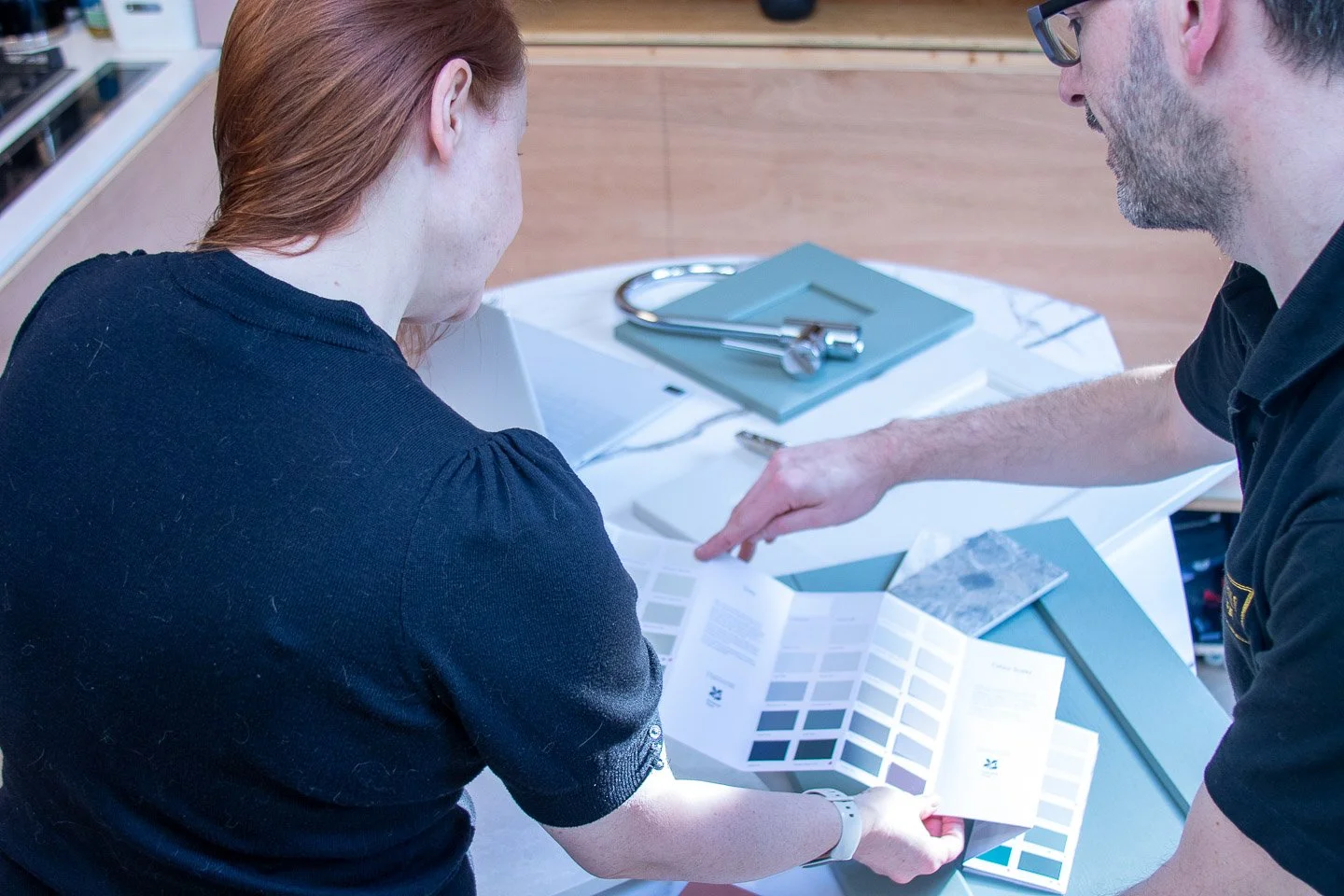
Calm, practical guidance, in your home
Why designing in your home matters
This is one of the reasons I much prefer starting in the home itself
Because no showroom can really tell you:
how the light moves through your room,
how the space connects to the rest of the house,
what feels too formal,
what feels too heavy,
what storage you genuinely need,
or what would make the room feel calmer and more natural to live with
Those decisions make much more sense in the actual space
That’s also when samples, proportions, finishes and layout ideas start to become much easier to judge properly
Not abstractly
Not theoretically
But in the place they’re actually going to live
A better starting point
If you’re considering a bespoke kitchen, I’d suggest resisting the temptation to begin with styles and labels
Instead, begin with these questions:
What does this house need from the kitchen?
What feels wrong about the room as it is now?
What would make it feel more settled, more useful and more naturally part of the home?
And which parts genuinely need to be made properly from scratch?
That usually leads to better decisions
And often, a better kitchen
Because the goal isn’t simply to buy “bespoke”
It’s to create something that feels right for the house, right for the room, and right for you
If you’d like a thoughtful starting point, a home visit is often the best first step
It allows the room, the house and your priorities to be looked at properly — before you’re pushed toward a solution that may be bigger, costlier or more complicated than it needs to be
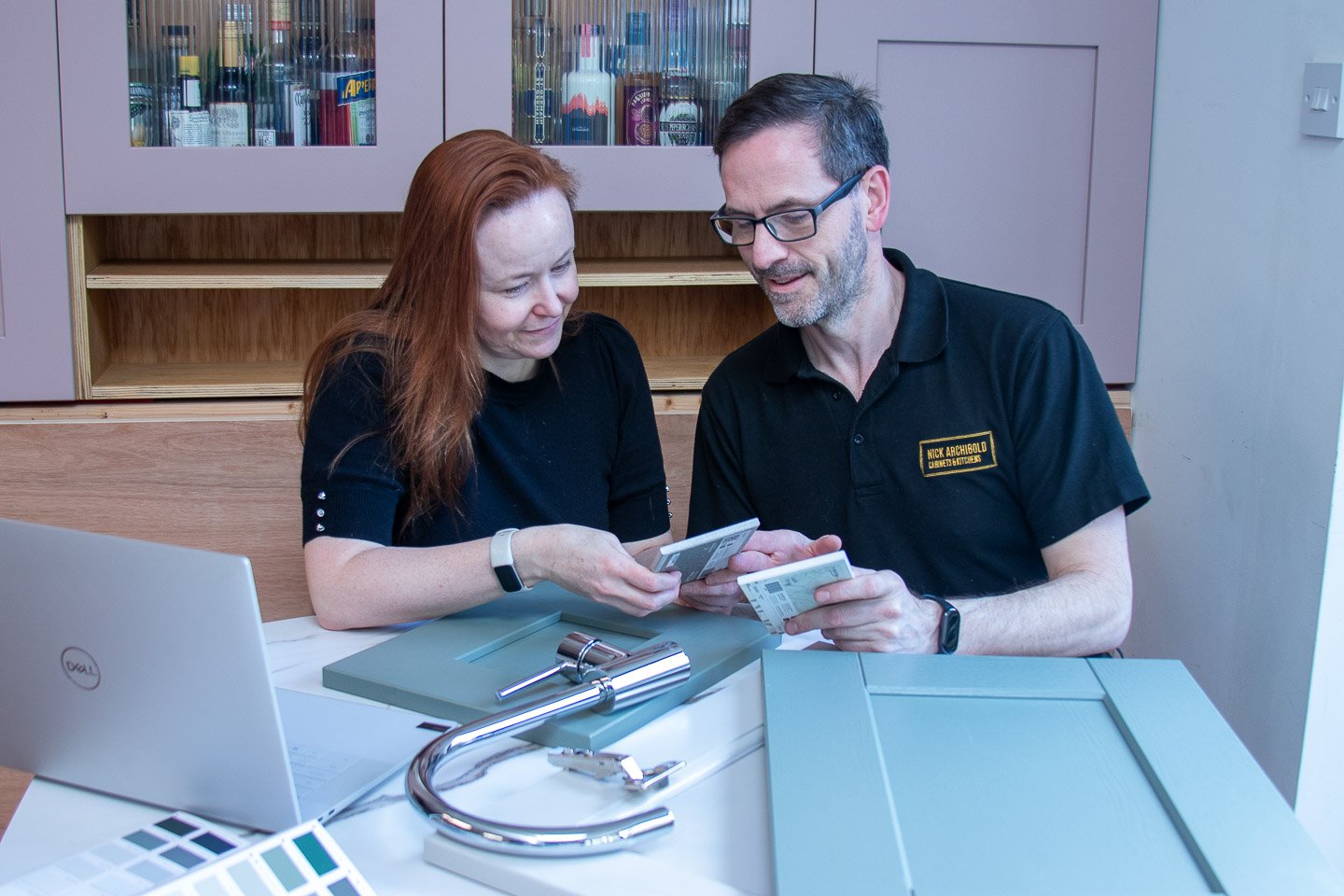
A Home Visit; where ideas are discussed and practical samples can be seen in your own space
You can learn more about bespoke kitchens by clicking below →
