A bespoke kitchen is worth considering when you want something that cannot be achieved within a showroom range. That might mean furniture made to particular dimensions, a design that responds to your home's architecture, or simply the freedom to create a kitchen that expresses your own ideas.
It is not only a solution for awkward rooms. A well-proportioned room can be an equally good reason to choose bespoke, if the furniture you want does not exist as a ready-made range. The question is whether that freedom will make a meaningful difference to your home and how you use it.
Does bespoke have to mean an unusual or difficult room?
No. Uneven walls, chimney breasts and restricted spaces can make individually made furniture useful, but they are not the whole story.
Sometimes the room is straightforward and the ambition is different: to make furniture with its own character rather than select a combination from a catalogue. The scale of a cupboard, the relationship between adjoining pieces and the choice of materials can all be considered together.
That does not mean every detail needs to be elaborate. A simple design can still be distinctive because its proportions and construction have been worked out for one particular home.
What did bespoke make possible in the Melksham kitchen?
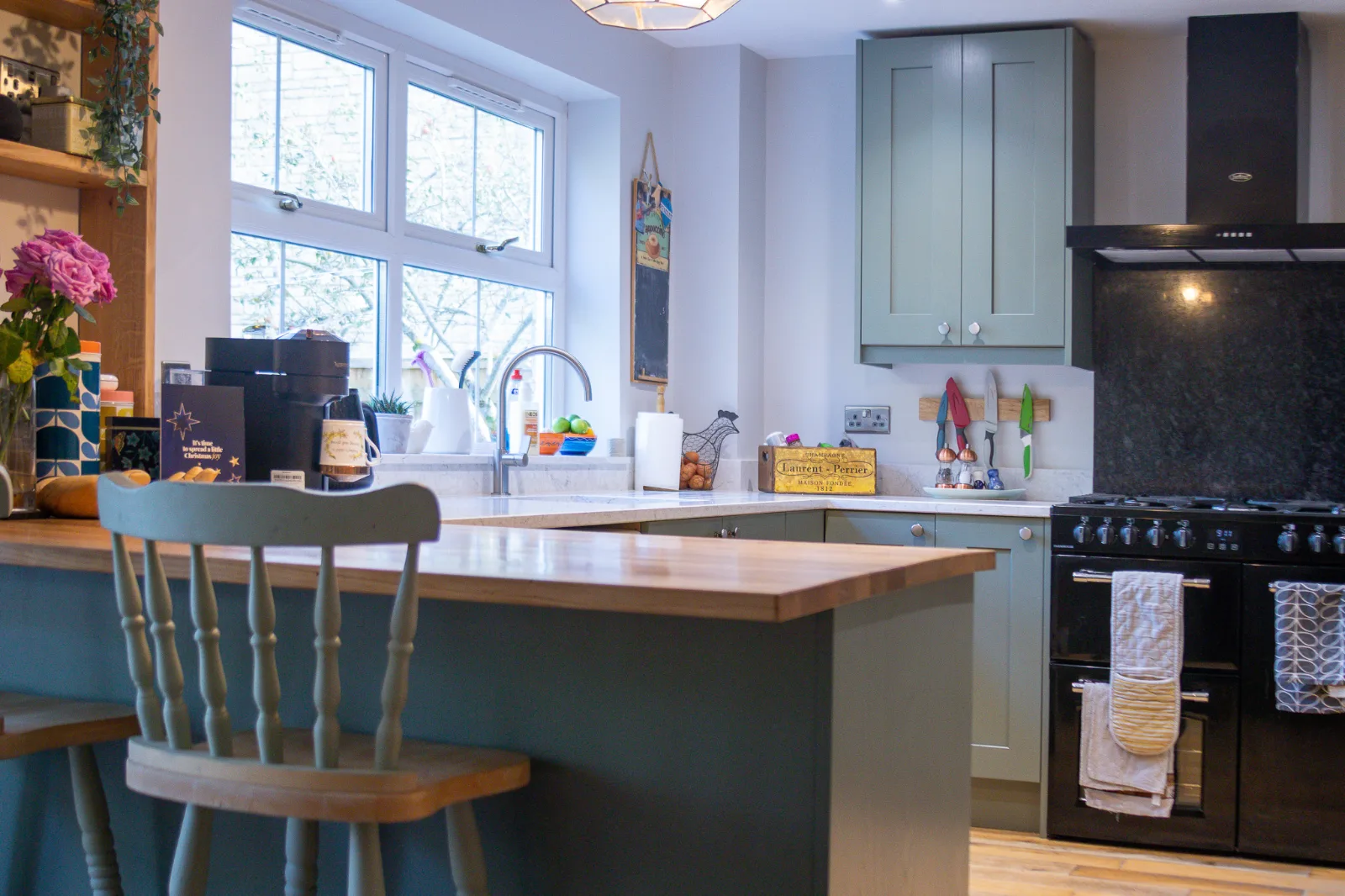
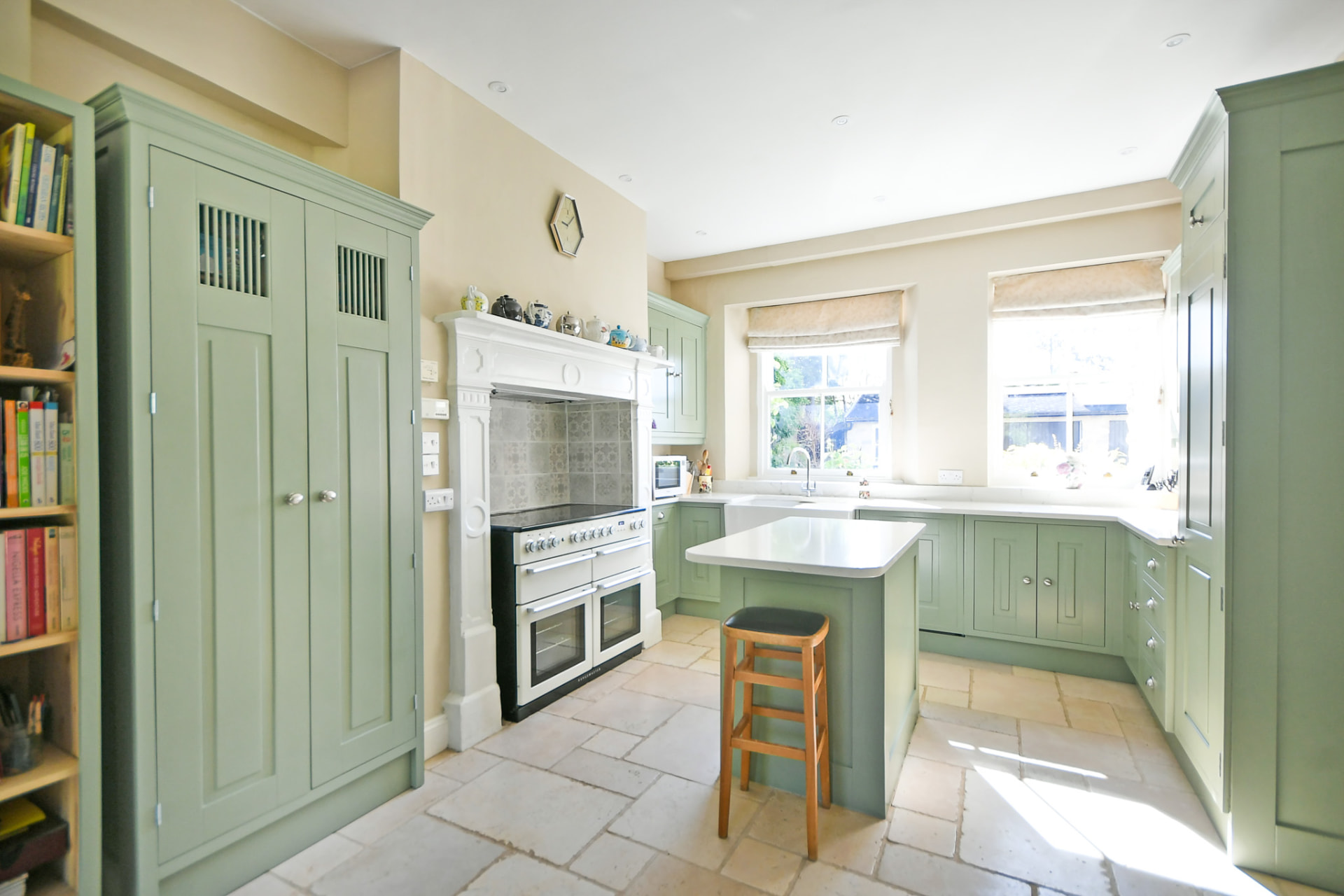
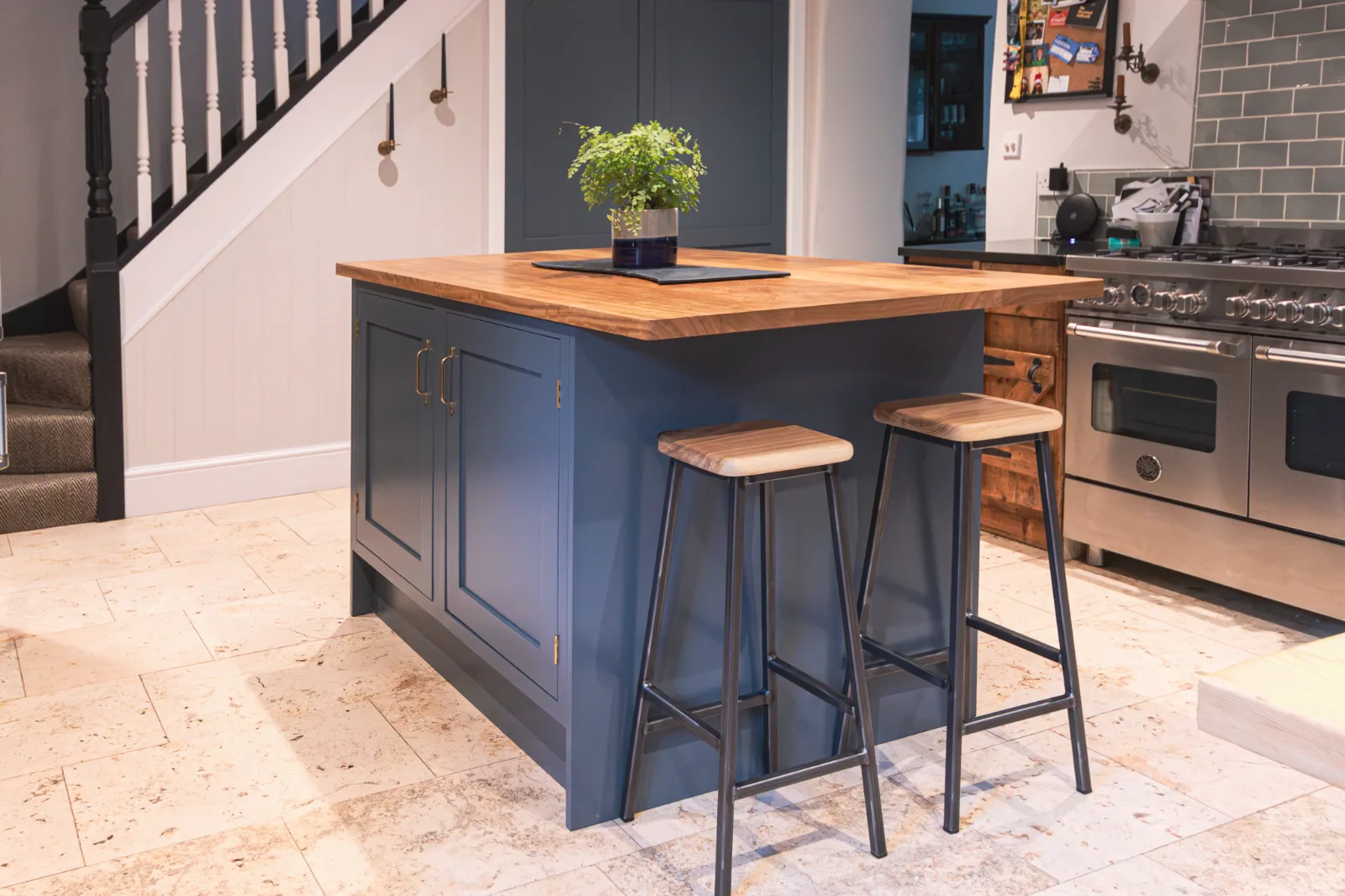
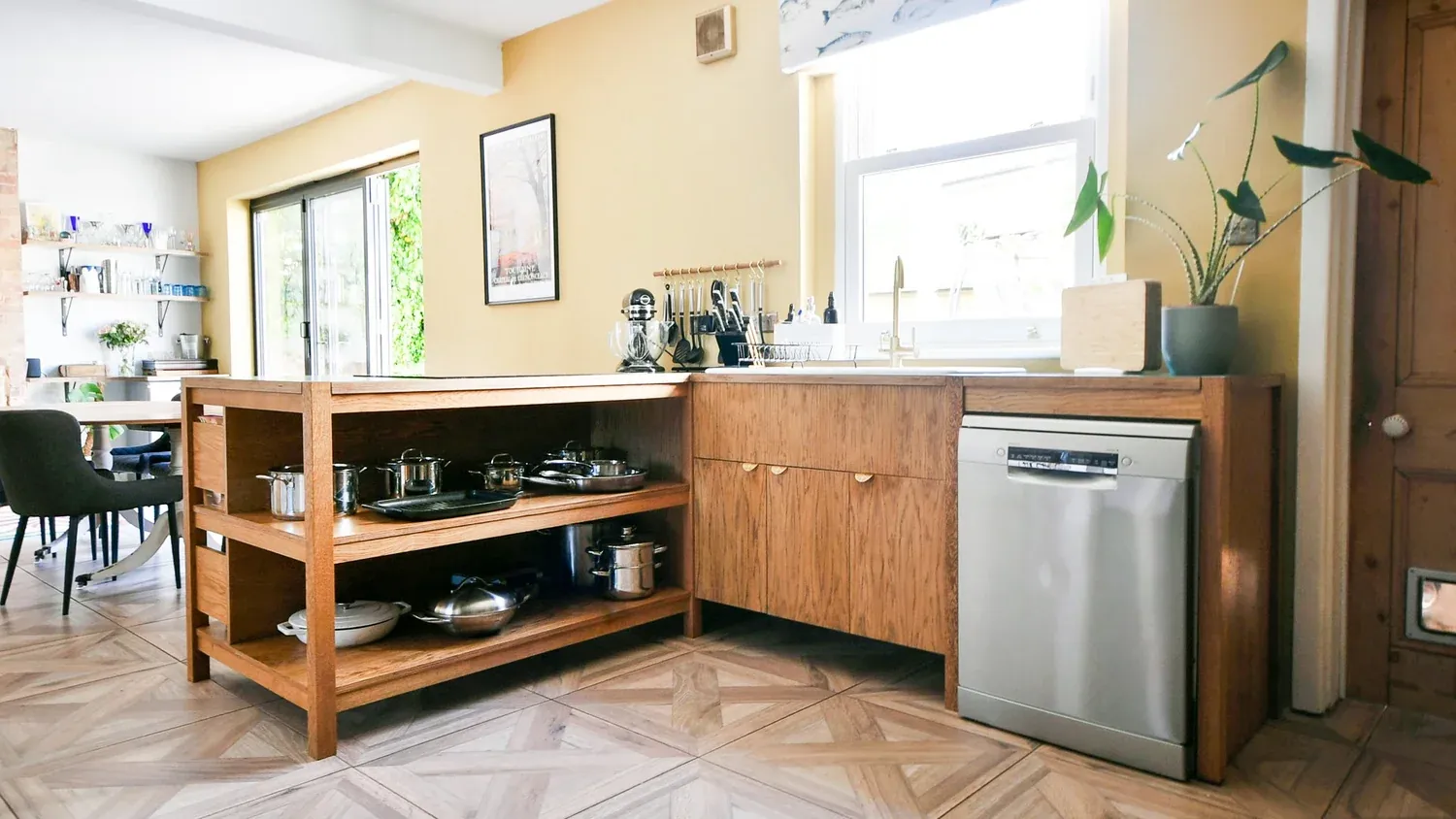
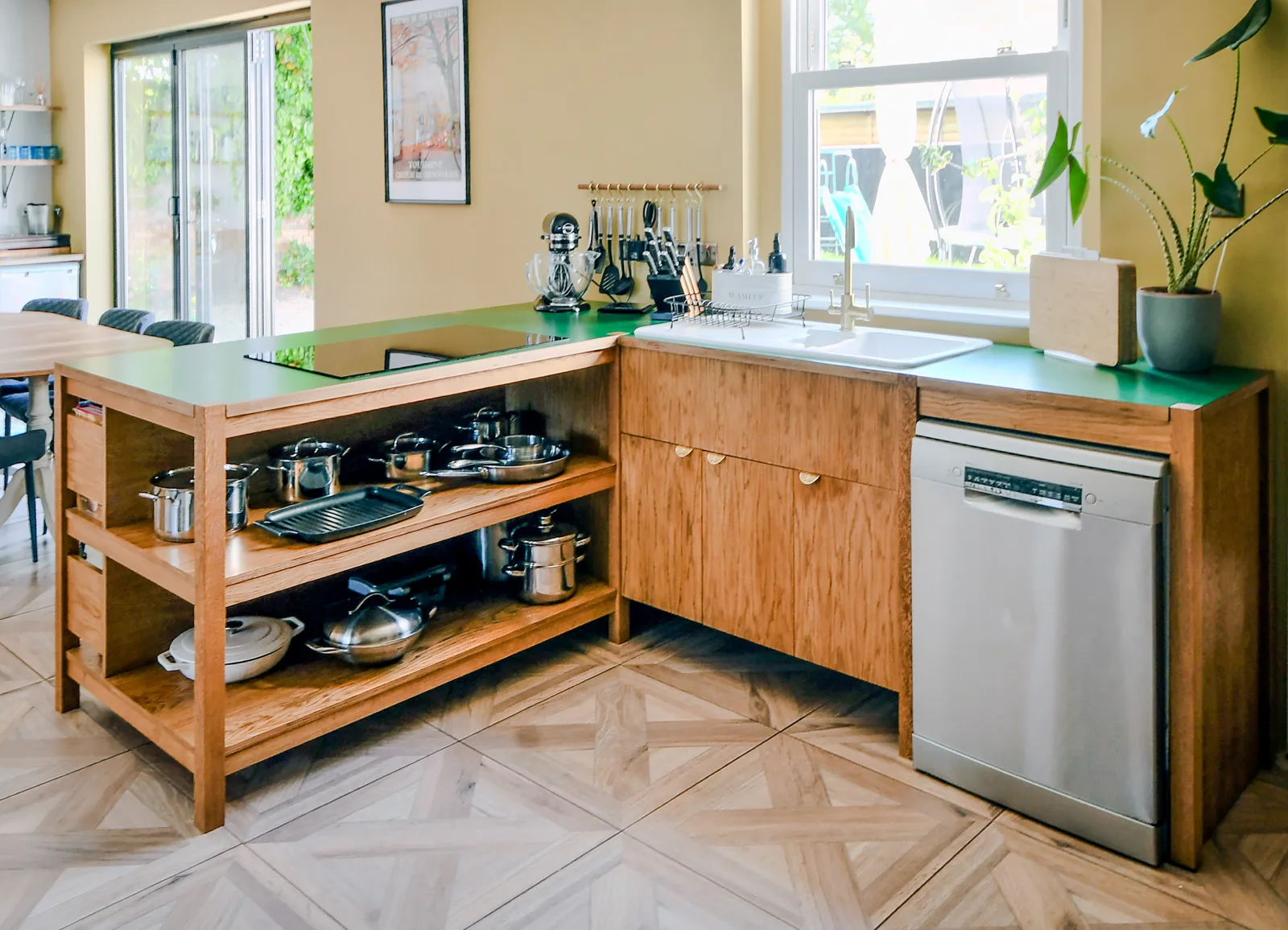
This kitchen was made for a Victorian detached villa in Melksham, with well-proportioned rooms. It consists of four main solid oak units linked together seamlessly.
Its value was not in squeezing cabinets into a difficult space. It was in being able to develop a kitchen as a connected collection of furniture, with the material and the relationship between the pieces considered as a whole.
The solid oak gives the kitchen a clear identity. The open shelving visible in the photographs is part of that furniture-led approach, rather than an attempt to reproduce a standard fitted-kitchen display.
The result is unique to this home. It shows that bespoke can be about freedom of expression just as much as fitting around an awkward wall.
What are you paying for when you choose bespoke?
You are paying for the opportunity to develop the furniture itself, not simply choose its colour or handles. Dimensions, materials, proportions and details can be worked out together rather than restricted to what a particular range offers.
The work also involves time that is not visible in a photograph. Timber has to be prepared, the furniture made, and the pieces brought together before installation.
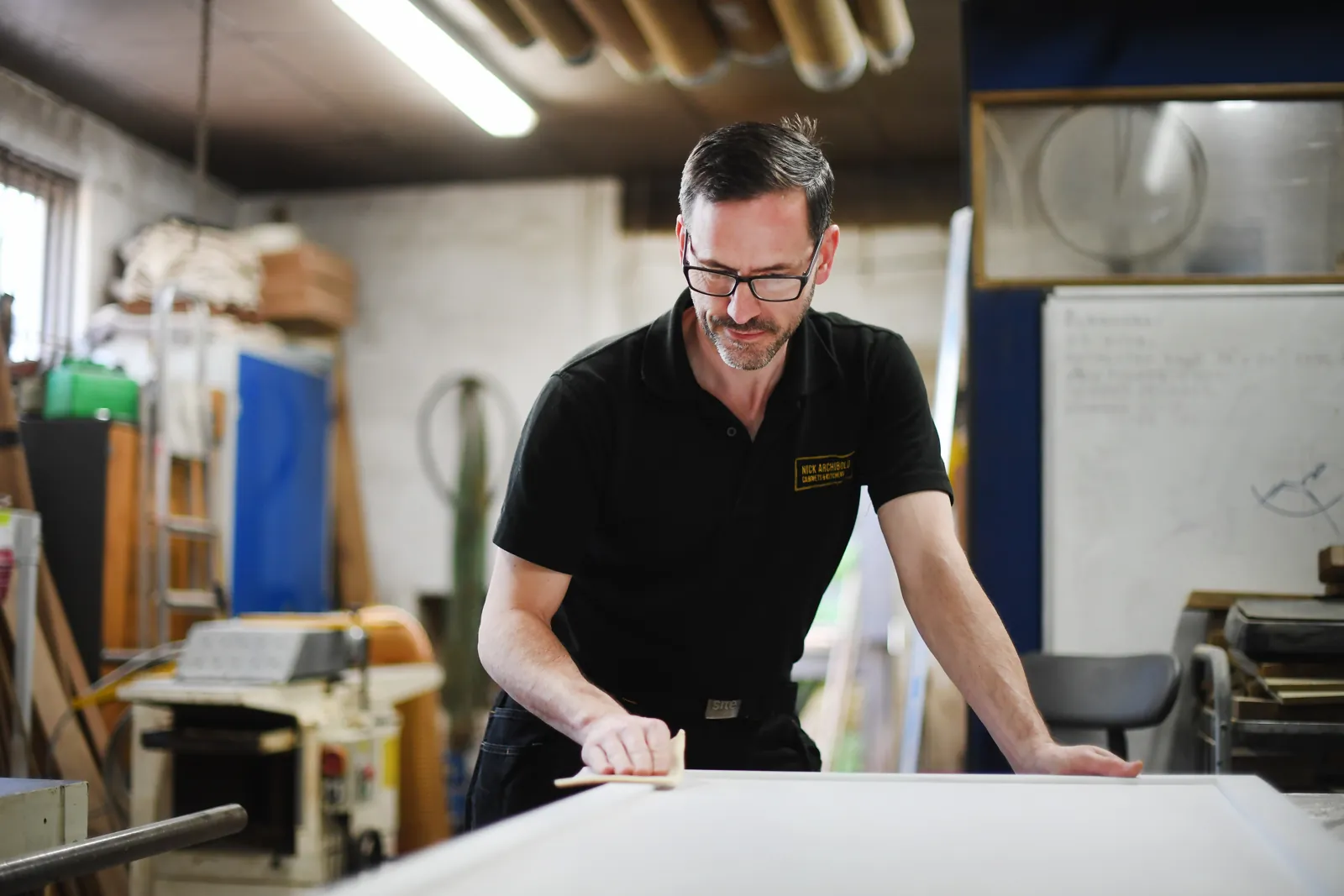
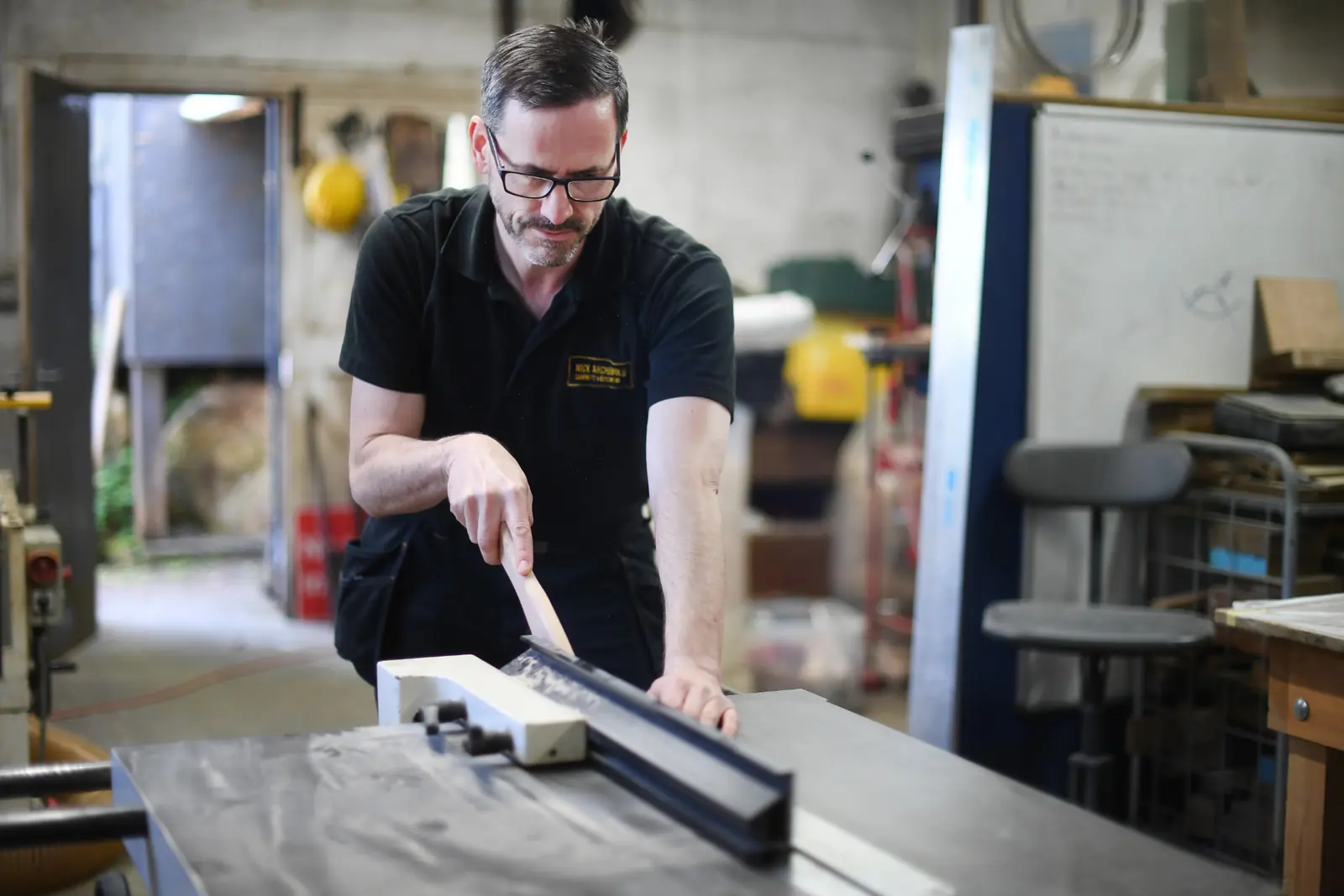
For the Melksham kitchen, that process took 6 weeks in my workshop, including milling the oak and allowing it to acclimatise between processes. Those stages were part of making the furniture, not time spent choosing from a showroom range.
I handle the consultation, making and installation myself. The person discussing the design with you is also the person who will make it in the workshop and fit it in your home.
How much should you allow for a bespoke kitchen?
A typical bespoke kitchen I quote for is £30,000 or more. The Melksham kitchen cost less because it was smaller in scale, with four main units rather than a larger installation. I am using it here to explain the approach, not as a fixed-price package.
Prices checked October 2026.
The price depends on the scale of the furniture, the materials and the work involved. The useful comparison is between proposals for the kitchen you actually want, with a clear understanding of what each includes.
As I would describe this particular project: “The value of bespoke lies in the freedom of expression it allows. This kitchen is unique and completely unlike anything you will find in a showroom range, for a price not dissimilar to a factory-made fitted kitchen.”
That is an observation about this kitchen, not a promise that every bespoke project will cost the same as a factory-made alternative. It is a reason to explore the possibilities before assuming individually made furniture must be out of reach.
You can see more of the approach on the bespoke kitchens page.
How long does making and fitting take?
For this Melksham project, the workshop work took 6 weeks. Installation took 2 days, including cutting the worktops.
Those are the times for this kitchen, rather than a standard timetable for every bespoke project. A larger kitchen or a different design needs its own schedule.
It is worth distinguishing making time from time in your home. Most of the making for this project happened in the workshop, while the fitting was a much shorter stage. We can discuss both when planning your kitchen, so you know what is being made and what will happen on site.
When might bespoke not be worth the extra commitment?
If a manufactured cabinet range gives you the layout and appearance you want, you may not need every piece made individually. A custom kitchen may be the more suitable option.
Likewise, if your existing cabinets and layout still work, a refresh may achieve what you need without replacing the whole kitchen.
The decision is not about choosing the most expensive option. It is about identifying what you would gain from bespoke. If that gain matters to you, whether it is a particular proportion, material or design that cannot be found in a range, it is worth exploring. If it does not, there is no need to choose bespoke for its own sake.
Where should you start if you are considering bespoke?
Start with your home and the furniture you would like to live with, rather than deciding on a cabinet range first.
A free Home Design Visit gives us time to look at the room, discuss your ideas and establish where individually made furniture would add value. We can also consider where a simpler approach would do the job just as well.
Bring the things you like, the things that frustrate you and any ideas you have struggled to find in a showroom. That is a useful starting point for deciding whether the freedom of bespoke is worth it for you.
If this sounds like your kitchen, request your free Home Design Visit.